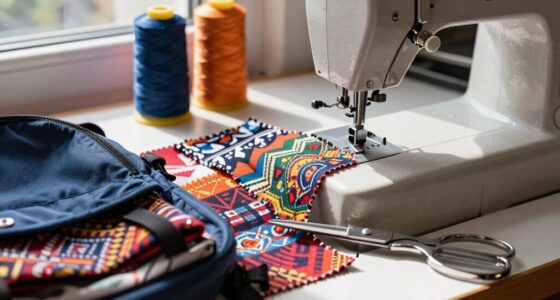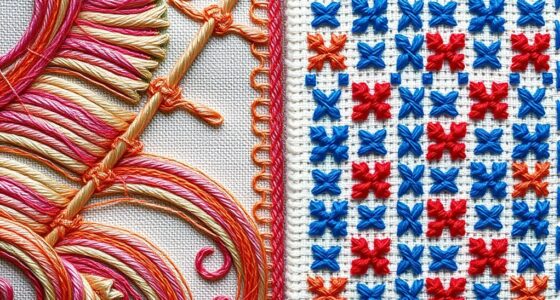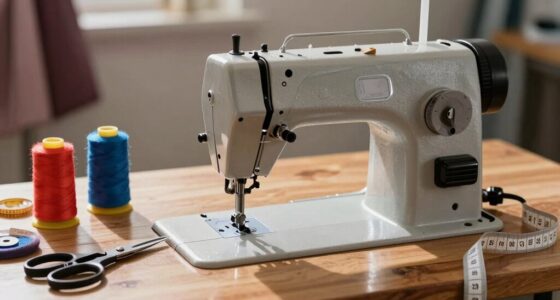
If you want your activewear to look store-bought, the right stretch stitch and needle combo is essential. Use a stretch or zigzag stitch to maintain elasticity, paired with ballpoint or stretch needles for spandex blends. This combination not only enhances durability but also gives your garments a polished finish. You’ll find that proper fabric and techniques can elevate your creations markedly. Keep going to discover more tips for achieving that professional look in your activewear sewing.
Key Takeaways
- Use stretch stitches to maintain elasticity and durability, ensuring your activewear moves with you while looking professionally finished.
- Pair ballpoint or stretch needles with spandex blends for optimal results and a smooth sewing experience.
- Opt for moisture-wicking, stretchy fabrics to enhance comfort and performance in activewear garments.
- Incorporate flatlock seams or coverstitching for added durability, mimicking the quality of store-bought items.
- Customize patterns and add personal touches like pockets to create a unique, tailored fit and style.

Brother Sewing Machine, XM2701, Lightweight Machine with 27 Stitches, 6 Included Sewing Feet
27 Unique built-in stitches: The XM2701 includes 27 built-in stitches including decorative, blind hem, zigzag, and stretch stitches…
As an affiliate, we earn on qualifying purchases.
As an affiliate, we earn on qualifying purchases.
Why You Should Love Stretch Stitch for Activewear?
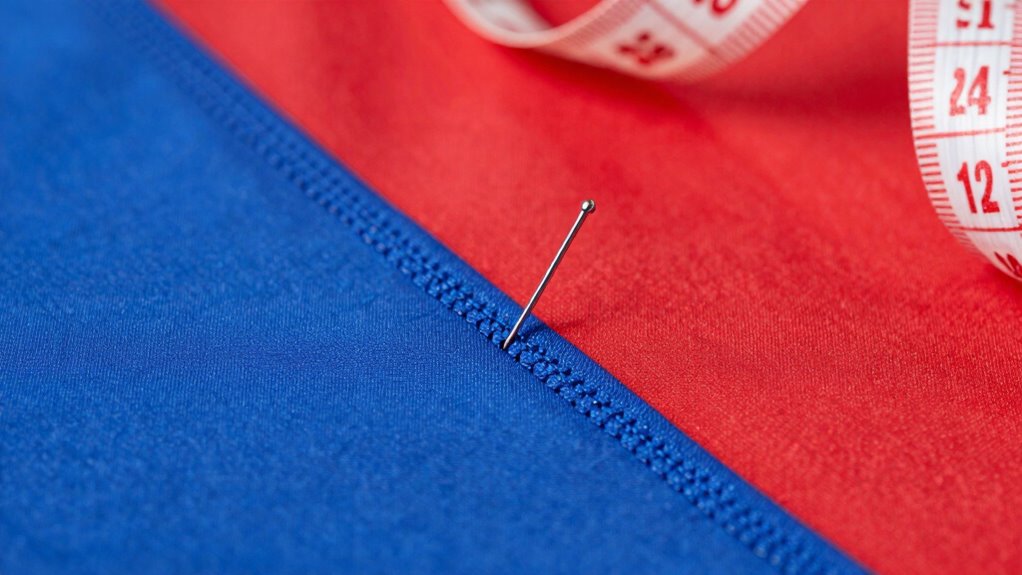
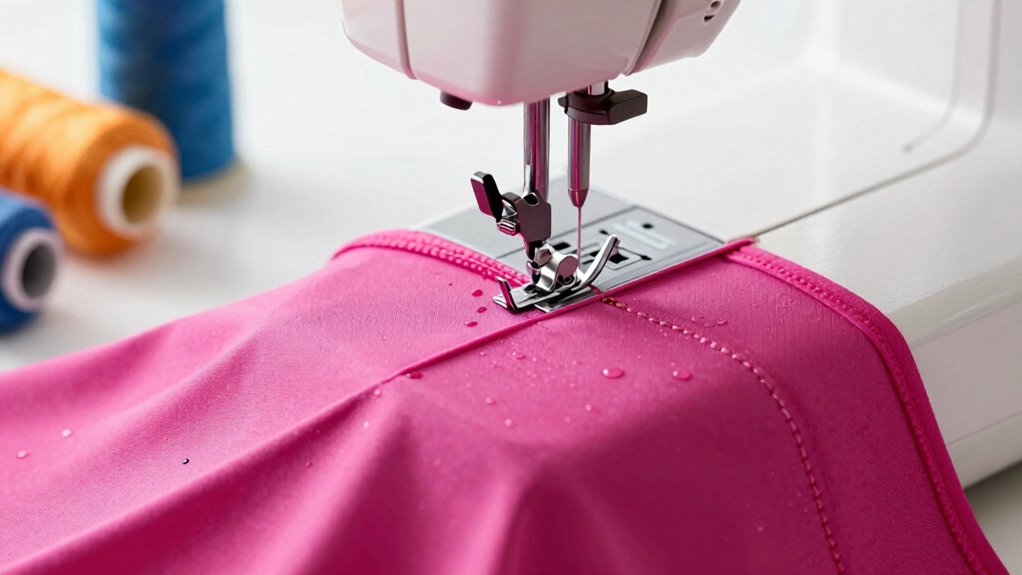
When you’re sewing activewear, choosing the right stitch is essential, and that’s where stretch stitch shines. This technique offers incredible stretch stitch benefits, allowing your garments to move with your body without breaking. Unlike standard stitches, stretch stitches maintain elasticity, which is vital for activewear that needs to withstand rigorous movement. You’ll find that using this stitch greatly enhances activewear durability, ensuring your pieces last through countless workouts. Plus, the neat appearance of stretch stitches gives your projects a professional finish, making them look store-bought. So, whether you’re tackling leggings or sports bras, incorporating stretch stitch into your sewing will elevate your activewear game, combining functionality with style effortlessly. Additionally, understanding how gear works can further improve your sewing techniques and ensure your activewear meets high performance standards. Give it a try—you won’t regret it!

Ball Point Jersey Machine Needles-Sizes 10/70 (2), 12/80 (2) & 14/90 (1)
As an affiliate, we earn on qualifying purchases.
As an affiliate, we earn on qualifying purchases.
Which Needles Work Best for Activewear?
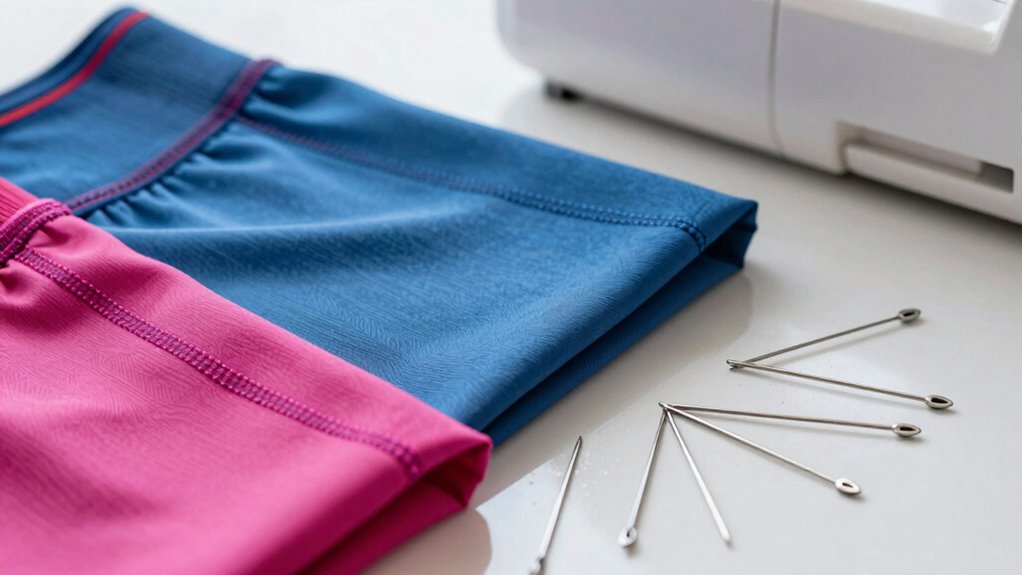
Choosing the right needle is essential for sewing activewear, as it can greatly impact the quality and durability of your finished garments. For most activewear fabrics, you’ll want to use a ballpoint needle. This needle type gently pushes the fabric fibers aside, minimizing snags and ensuring a clean stitch. If you’re working with thicker materials, consider a stretch needle that accommodates the elasticity of spandex blends, providing better fabric compatibility. For lightweight options, a microtex needle offers precision and a sharp point, ideal for woven activewear. Always match your needle type to the specific fabric you’re using, as this will enhance your sewing experience and result in professional-looking activewear that lasts.

SCHMETZ Stretch Sewing Machine Needles – Precision Needles, Size 90/14, 5-Needle Cards, Pack of 1
ENGINEERED FOR STRETCH FABRIC: SCHMETZ Stretch Needles are specially engineered to sew through elastic, knit fabric, synthetic suede,…
As an affiliate, we earn on qualifying purchases.
As an affiliate, we earn on qualifying purchases.
Master Activewear Techniques for Professional Results
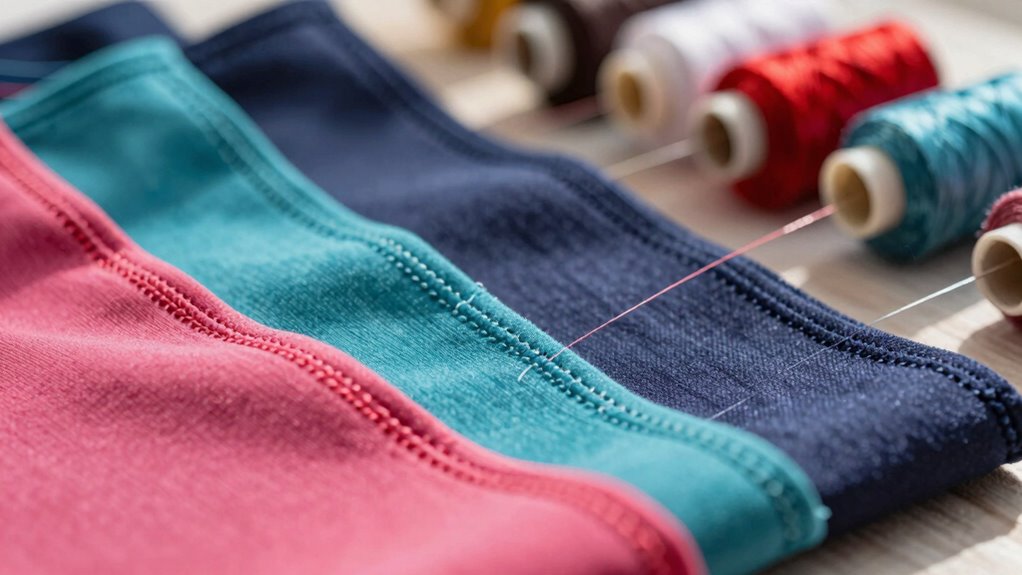
Mastering the right sewing techniques can elevate your activewear projects from basic to professional-grade. To achieve that polished look, focus on these key areas:
- Fabric Selection: Choose moisture-wicking, stretchy fabrics that suit your design. Look for blends that provide both comfort and durability, as fabric breathability can significantly enhance performance during workouts. Additionally, selecting fabrics that are water-resistant can further improve the longevity of your activewear, especially in outdoor conditions. Consider incorporating high-performance textiles to maximize functionality and comfort. Moreover, using energy-efficient materials can contribute to sustainability in your projects.
- Pattern Adaptation: Modify your patterns to enhance fit and functionality. Consider adding seam allowances for stretch and incorporating design elements like pockets or ventilation.
- Sewing Techniques: Utilize techniques like flatlock seams or coverstitching to guarantee your seams are strong and flexible. This minimizes irritation and enhances the garment’s overall performance. Additionally, consider how ergonomics in design can improve both comfort and functionality in your activewear.

Janome Cover Pro 1000CPX Coverstitch Machine with Exclusive Bonus Bundle
Bonus Includes: – Two packs of Schmetz ELx705 needles – Adjustable Seam Guide – Needle Threader
As an affiliate, we earn on qualifying purchases.
As an affiliate, we earn on qualifying purchases.
How to Fix Common Problems When Sewing Stretch Fabrics
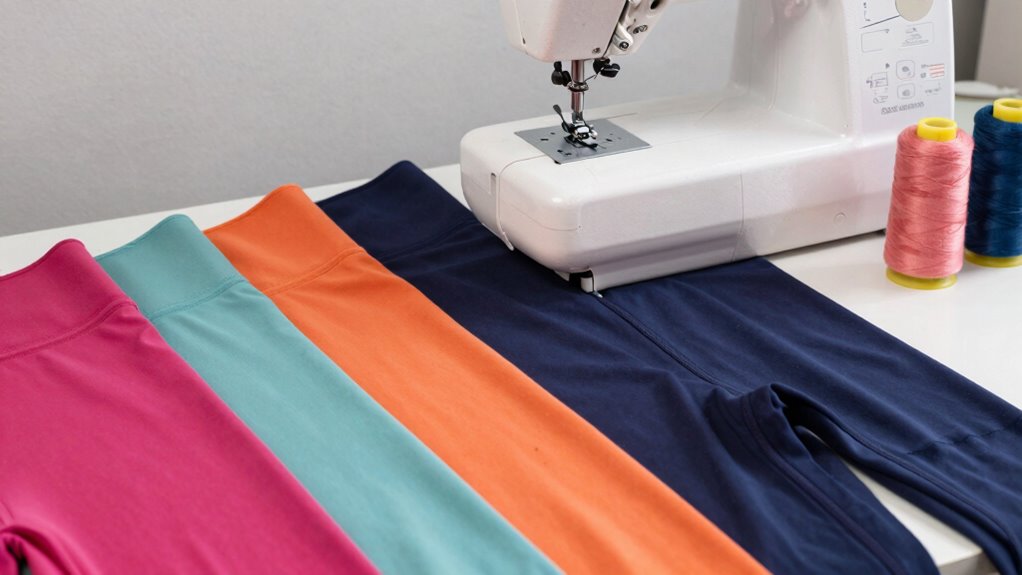
Sewing stretch fabrics can present a few common challenges, but with the right strategies, you can easily overcome them. If you’re dealing with puckering issues, try using a walking foot or adjusting your stitch length; this can help evenly feed the fabric as you sew. For fabric slipping, consider using a spray adhesive or tissue paper under the fabric to keep everything in place. Additionally, choosing the right needle—like a ballpoint—can make a significant difference in how the fabric moves through your machine. To ensure optimal results, it’s essential to have proper kitchen ventilation, as this can create a more comfortable sewing environment. Always remember to test your settings on a scrap piece first. With these tips, you’ll find that sewing stretch fabrics becomes more manageable, resulting in professional-looking activewear you’ll love to wear. Also, be mindful of cleaning tips for fabrics to maintain the quality of your finished garments, as proper care techniques can extend the life of your activewear. Incorporating pet-friendly gear in your sewing space can also help minimize distractions, allowing for a more focused and enjoyable sewing experience.
Customize Your Activewear for Perfect Fit and Style

Sure! Here’s your revised content with the requested changes:
—
Once you’ve tackled the common issues of sewing stretch fabrics, it’s time to focus on customizing your activewear for a perfect fit and style. Start by considering fabric selection; choose materials that provide the right stretch and breathability for your activities, as acoustic drum shields can improve sound quality in your studio, just like choosing the right fabric enhances the performance of your activewear. Additionally, investing in top smart locks can secure your workspace, ensuring your creative environment remains safe while you sew. It’s also important to consider sustainable gifting practices, as opting for eco-friendly materials can reduce your environmental impact. Next, don’t shy away from making pattern adjustments. A few tweaks can guarantee your activewear hugs your body in all the right places. Remember, incorporating smart indoor gardens into your lifestyle can also foster a sense of wellbeing and self-sufficiency. Finally, incorporate personal touches—add pockets or unique seams to reflect your style.
Customize your activewear for the perfect fit by selecting the right fabrics, adjusting patterns, and adding personal touches.
Here are three tips to help you customize:
- Choose the Right Fabric: Opt for moisture-wicking and stretchy materials.
- Make Pattern Adjustments: Alter the fit based on your measurements.
- Add Unique Details: Include features like zippers or contrasting colors.
Additionally, consider how color accuracy can enhance the visual appeal of your activewear designs, ensuring they look as good as they fit.
—
Let me know if you need any further adjustments!
Frequently Asked Questions
Can I Use a Regular Sewing Machine for Stretch Fabrics?
Yes, you can use a regular sewing machine for stretch fabrics, but you’ll need to adjust your sewing techniques. Opt for a stretch stitch or a zigzag stitch to allow the fabric to move without breaking the seams. Make sure to use a ballpoint needle, as it glides through the fibers better. With these adjustments, you can achieve a professional finish and create garments that look store-bought, even with basic equipment.
What Fabric Blends Are Best for Activewear Projects?
You can’t make an omelet without breaking a few eggs. For activewear projects, blends like polyester-spandex or nylon-elastane are fantastic choices. These fabrics offer excellent stretch recovery, ensuring your gear holds its shape during intense workouts. Look for moisture-wicking properties and breathability, too, as they enhance comfort. With the right fabric characteristics, your activewear will not only perform well but also look store-bought, keeping you stylish while you sweat!
How Do I Choose the Right Thread for Stretch Sewing?
To choose the right thread for stretch sewing, opt for polyester or nylon threads, as they provide the necessary elasticity. Consider using a stretch or ballpoint needle to prevent snagging. Adjust your tension settings; too tight can cause puckering, while too loose may lead to seams that pop. Always test on a fabric scrap to guarantee your thread choice works well with your specific stretch fabric and maintains the garment’s flexibility.
Are There Specific Care Instructions for Homemade Activewear?
Yes, there are specific care instructions for homemade activewear. For fabric care, always wash in cold water using a gentle cycle. Avoid bleach to maintain color and elasticity. When drying, air-dry your activewear to prevent damage; if you must use a dryer, select a low heat setting. Following these washing tips and drying methods will help guarantee fabric longevity, keeping your creations looking great for many workouts to come.
Can I Use an Overlocker for Sewing Activewear?
Absolutely, you can use an overlocker for sewing activewear! It’s like having a secret weapon in your sewing arsenal. Different overlocker types offer various stitch techniques that make your seams stretch and hold up under pressure. The right stitch can give your activewear that professional finish, feeling like it belongs in a store. So, thread up your overlocker, and watch your homemade pieces come to life with style and durability!
Conclusion
So, you’re ready to turn your living room into a high-tech activewear factory? With the magic of stretch stitches and the right needle combo, you’ll be stitching up masterpieces that even the fashion elite would envy. Just remember, if your seams start to look like abstract art, maybe it’s time to consult your sewing machine’s manual instead of claiming it as “modern art.” Now, grab that fabric and show the world your couture skills—because who doesn’t want to sweat in style?