To create your first wool figurine with needle felting, gather some wool, a felting needle, and a foam pad. Start by shaping small amounts of wool into a rough form of your desired figure. Use the needle to poke the wool repeatedly, causing fibers to interlock and firm up. Practice patience, maintain a steady hand, and keep safety precautions in mind. If you keep exploring, you’ll discover more tips to perfect your craft.
Key Takeaways
- Use wool roving and a sturdy foam pad to shape and felt your figurine safely.
- Repeatedly poke the wool with a barbed needle to interlock fibers and build density.
- Keep fingers clear of the needle’s path and store needles safely when not in use.
- Start with small amounts of wool and focus on firm, even poking for a stable shape.
- Practice patience and safety tips to create a refined, durable wool figurine.
Needle felting is a creative craft that involves shaping wool fibers into detailed sculptures and designs using a special barbed needle. As you begin, you’ll want to understand the different fiber types available and how they affect your project. Wool is the most common choice because of its natural felting properties, but you can also experiment with other fibers like alpaca, cashmere, or blends. Wool roving, which is already dyed and prepared, is ideal for beginners, offering ease of use and consistent felting results. If you’re aiming for more vibrant or textured pieces, consider using wool batt or locks. Knowing the fiber types helps you select the right materials for your desired outcome, whether it’s a soft animal, a detailed ornament, or a decorative piece.
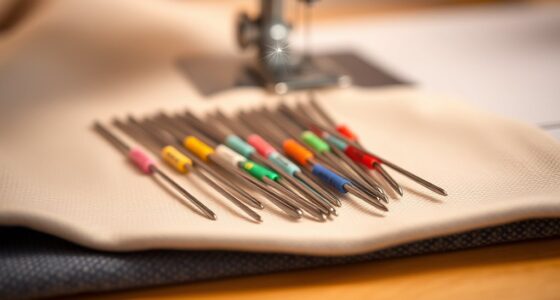
When you work with needle felting, safety should be your top priority. The barbed needles are sharp and can easily puncture skin if you’re not careful. Always work on a stable, padded surface like a foam block to protect yourself and your needles. Keep your fingers away from the needle’s path and hold the wool securely, but avoid pressing too hard, which can cause the needle to bend or break. When you’re not using your needle, store it safely in a needle holder or container to prevent accidental injury. It’s also a good idea to wear protective gloves if you’re working on intricate parts or if you have sensitive skin. Proper handling reduces the risk of pricks and ensures a safer crafting experience. Additionally, using safety equipment like gloves or eye protection can help prevent injuries during more detailed work.
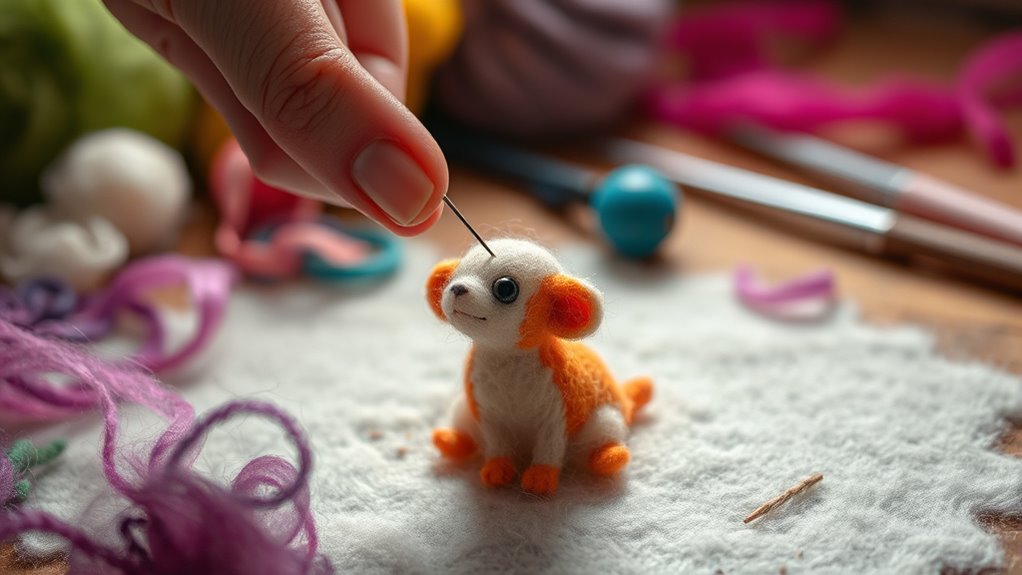
As you start your first project, gather your wool fibers, a felting needle, and a foam pad. Begin by shaping small amounts of wool into the rough form of your desired figure. Use the needle to repeatedly poke the wool, which causes the fibers to interlock and firm up. Take your time, and don’t rush the process—felting is as much about patience as it is about technique. If fibers start to stick out, simply trim or re-felt those areas. Remember, the more you felt, the denser and more stable your sculpture becomes. As you become more confident, you can add details like eyes, noses, or textures to enhance your creation. Practice, patience, and attention to safety tips will help you craft beautiful wool figurines that you can be proud of.

Mayboos Needle Felting Starter Kit,Wool Roving 40 Colors Set, Wool Felt Tools with Instruction Included for Felted Animal Needle Felting Supplies
40 Assorted Colorful Color Needle Felting Wool: Our felt wool kit includes 40 color wool roving, packaged in…
As an affiliate, we earn on qualifying purchases.
As an affiliate, we earn on qualifying purchases.
Frequently Asked Questions
What Types of Wool Are Best for Beginners?
For beginners, it’s best to choose wool with a soft fiber texture and moderate wool thickness. Merino wool is ideal because it’s soft and easy to work with, reducing frustration. Roving wool is also great, as its consistent fiber texture makes felting smoother. Avoid very thick or coarse wool initially, since it can be harder to shape. Starting with these types helps you learn the basics comfortably and confidently.
How Do I Prevent My Felting Needle From Breaking?
Think of your felting needle as a delicate butterfly wing—you want to safeguard it at all costs. To prevent breaks, follow safety tips like always working on a sturdy surface, avoiding excessive force, and keeping your needle straight. Regular needle maintenance, such as inspecting for bends or damage and cleaning it after use, ensures longevity. Handle with care, and your needle will help you craft beautiful creations without breaking.
Can I Use Colored Wool to Make Detailed Designs?
Yes, you can use colorful wool for detailed felting. Using different shades helps you create vibrant, intricate designs and makes your work stand out. To achieve detailed felting, select fine, colored wool and work carefully with your needle to add small, precise details. Layer and blend colors smoothly, and take your time to guarantee each detail is well-defined. This approach enhances your projects with vivid, eye-catching designs.
How Long Does It Typically Take to Finish a Figurine?
Imagine your wool figurine as a delicate sunrise gradually emerging from darkness; it typically takes you 2 to 6 hours to complete, depending on complexity. By managing your time wisely and practicing regularly, you’ll develop skills that make each project quicker and more detailed. Patience becomes your brush, shaping your craft with each careful stab, transforming raw wool into a vibrant, expressive masterpiece.
Are There Eco-Friendly or Sustainable Felting Wool Options?
You can find eco-friendly felting wool options like recycled wool and organic fibers. These materials are sustainably sourced, reducing environmental impact. Recycled wool comes from post-consumer textiles, giving new life to old fabrics, while organic fibers are grown without harmful chemicals. Using these options helps you create beautiful, environmentally conscious figurines, making your craft more sustainable and eco-friendly. Always check labels to confirm you’re choosing genuine recycled or organic materials.

Mayboos 74 Pcs Needles Wool Felting Needles Tools Needle Felting Supplies Felting Tools Needle Felting Tool with 3 Sizes Felting Needles for Beginner Professional
Wool Felting Tool Kit: The wool felting needles tools comes in a box included 3 different sizes of…
As an affiliate, we earn on qualifying purchases.
As an affiliate, we earn on qualifying purchases.
Conclusion
Now that you’ve crafted your first wool figurine, you’re officially a needle felting wizard! Remember, with patience and practice, your skills will grow faster than a wildfire, turning simple wool into intricate art. Don’t be afraid to experiment and let your creativity run wild—each tiny stab brings your masterpiece to life. Keep exploring, and soon you’ll be creating stunning sculptures that leave everyone in awe. Happy felting!

Dense Foam Needle Felting Pad – Flat Panel 9" X 12" X 2"
Size: 2" (H) X 9" (W) X 12" (L) Flat Paneling Tile
As an affiliate, we earn on qualifying purchases.
As an affiliate, we earn on qualifying purchases.
Mayboos Needle Felting Starter Kit,Wool Roving 40 Colors Set, Wool Felt Tools with Instruction Included for Felted Animal Needle Felting Supplies
40 Assorted Colorful Color Needle Felting Wool: Our felt wool kit includes 40 color wool roving, packaged in…
As an affiliate, we earn on qualifying purchases.
As an affiliate, we earn on qualifying purchases.