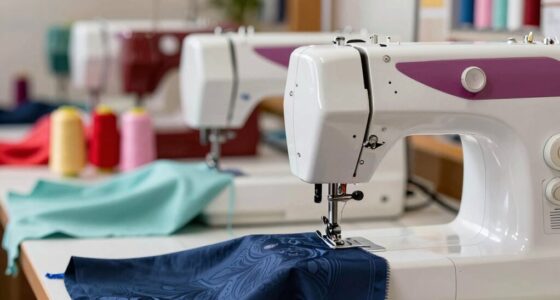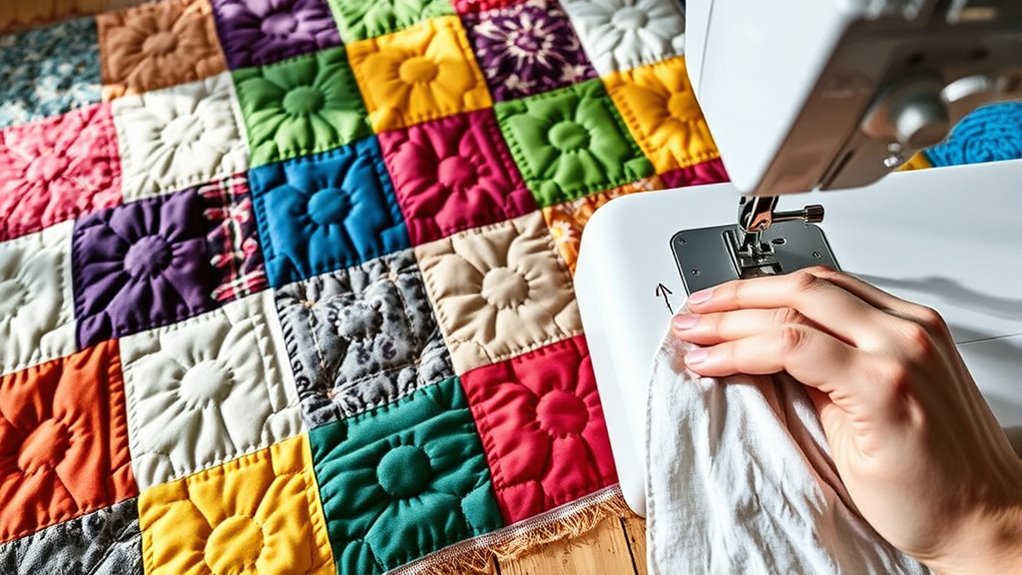

Quilting and sewing might seem similar since both work with fabric, but they serve different purposes. Sewing involves creating garments, accessories, or décor from a single fabric piece using basic stitches or embroidery. Quilting, however, joins multiple fabric layers with intricate stitching to make padded, textured designs that are both decorative and durable. If you want to understand their unique techniques and how they compare, exploring further will reveal more about each craft’s details.
Key Takeaways
- Sewing involves working with a single fabric piece to create functional or decorative items, while quilting layers multiple fabrics for artistic and durable textiles.
- Sewing uses simple stitches and seams, whereas quilting requires precise, layered stitching to secure multiple fabric layers.
- Sewing projects are typically quicker and less complex, whereas quilting involves detailed planning and patience for layered designs.
- Fabric selection in sewing focuses on texture and color for individual items; quilting emphasizes fabric combinations for visual appeal and durability.
- Embroidery enhances sewing as decoration, while in quilting it adds decorative accents to layered textile masterpieces.
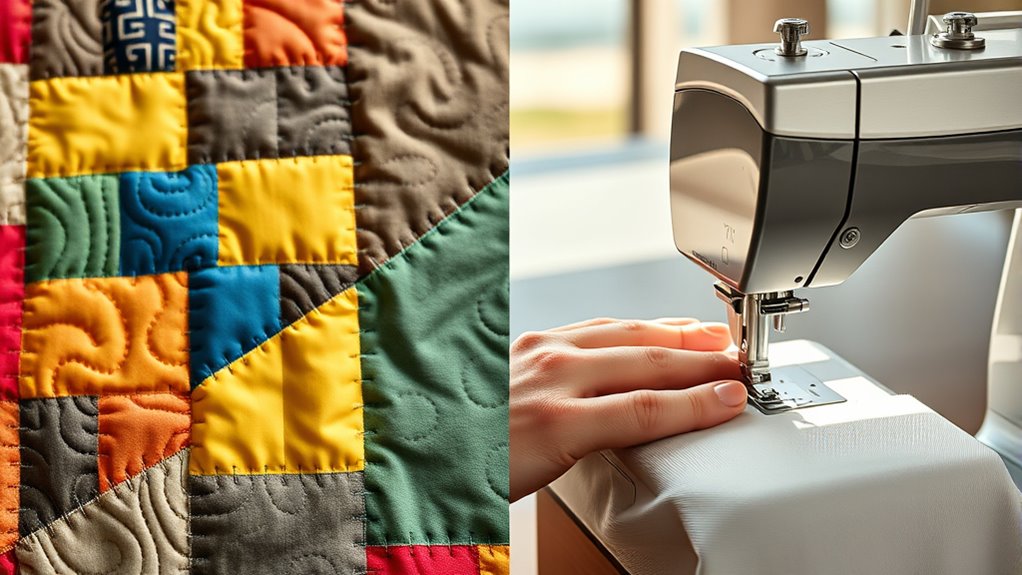
Have you ever wondered how quilting differs from sewing? The difference lies not just in the finished product but also in the techniques and materials you use. When you’re sewing, you typically work with a single piece of fabric, creating garments, accessories, or home décor items. It’s a straightforward craft that involves cutting fabric pieces and stitching them together, often using various embroidery techniques to add decorative details. These embroidery techniques can include anything from simple hand stitches to intricate machine embroidery, allowing you to personalize your projects and enhance their visual appeal. The focus is on creating a functional or decorative item, with fabric selection playing a key role. You choose fabrics based on their texture, weight, and color to match your design or purpose, whether it’s a lightweight cotton for a shirt or a sturdy denim for a bag. Additionally, the choice of fabric textures can greatly influence the final look and feel of your project.
In contrast, quilting is more complex and involves multiple layers of fabric stitched together to form a padded textile. It’s akin to building a sandwich, with a top fabric layer, a middle batting for insulation, and a backing fabric. When you quilt, your work revolves around selecting fabrics that complement each other and contribute to the overall aesthetic. Fabric selection becomes critical because it influences the look, texture, and durability of the finished quilt. You might choose contrasting colors or patterns to make your design pop or opt for subtle shades to create a calming effect. The quilting process often incorporates embroidery techniques as decorative accents, but the primary goal is to secure the layers together in a way that maintains the quilt’s integrity over time.
While sewing can be a quick and straightforward craft, quilting demands patience and precision. The techniques differ: sewing usually involves simple stitching or seams, whereas quilting requires careful planning of the quilt pattern and precise stitching to hold multiple layers. Both crafts rely heavily on fabric selection, but in quilting, you’re more likely to experiment with different textures and patterns to achieve your desired look. Embroidery techniques in quilting can range from simple hand stitches to elaborate machine designs, adding texture and visual interest. Ultimately, both sewing and quilting are about manipulating fabric, but quilting takes it a step further by combining artistic design with technical skill, creating a layered, textured masterpiece.

EverSewn Ultimate Sewing Starter Kit
Bundle with 14 most popular high quality sewing and crafting tools
As an affiliate, we earn on qualifying purchases.
As an affiliate, we earn on qualifying purchases.
Frequently Asked Questions
Can I Quilt and Sew With the Same Tools?
Yes, you can quilt and sew with the same tools, but it depends on your fabric selection and sewing machine types. A versatile sewing machine can handle both tasks, especially if it has adjustable stitch settings. For quilting, you’ll need thicker fabrics and a machine with a walking foot option. Keep in mind, specialized quilting tools can make the process smoother, but your regular sewing tools will often suffice.
What Skills Are Unique to Quilting Compared to Sewing?
You’ll find quilting requires unique skills like fabric layering and rotary cutting, which aren’t typical in sewing. With quilting, you carefully layer multiple fabrics to create a stable base, then use a rotary cutter for precise, clean cuts. These skills help you assemble complex patterns and make certain your quilt blocks fit perfectly. Sewing, on the other hand, focuses more on garment construction and finishing techniques, making quilting a specialized craft.
Is Quilting More Time-Consuming Than Sewing Projects?
Absolutely, quilting is the marathon of fabric crafts. You’ll spend ages layering fabrics, carefully aligning each piece, and then mastering intricate quilting stitches that seem to take forever. Sewing projects? Usually a quick sprint. But quilting demands patience, precision, and a lot more time, turning what starts as a simple idea into a beautifully layered masterpiece. So, yes, quilting’s more time-consuming, but the stunning results make every minute worth it.
Do Quilting Techniques Require Special Fabric Types?
You don’t always need special fabric types for quilting techniques, but fabric requirements do influence your choices. Quilting fabric types are typically 100% cotton because they’re durable and easy to work with, ensuring your quilt layers stay intact. While some projects might call for specific fabrics like flannel or silk, most quilting relies on a selection of compatible quilting fabrics. Check your pattern’s fabric requirements to pick the best options.
How Do Quilting Patterns Differ From Sewing Patterns?
Think of quilting patterns as a tapestry, while sewing patterns are like blueprints. You’ll notice quilting patterns focus on fabric selection and often feature intricate, complex designs that require careful planning. Sewing patterns are usually simpler, guiding you step-by-step to create garments or accessories. The key difference lies in pattern complexity: quilting embraces artistry with detailed motifs, whereas sewing emphasizes fit and function with straightforward templates.
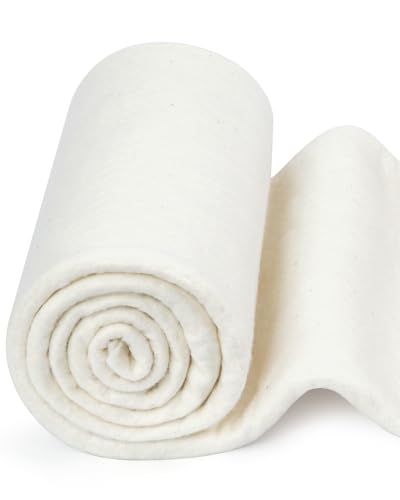
FIVEIZERO 100% Natural Cotton Quilt Batting–47Inchx1Yard Large Lightweight Batting Fabric,Quilting Batting by The Yard for Sewing,Crafts,DIY,Potholders,Backing,Wadding,Twin & King Size Quilt Projects
1. 4 Size Options: 47"x36" (1 Yard), 47"x72" (2 Yards), 47"x108" (3 Yards), 47"x144" (4 Yards) Available in…
As an affiliate, we earn on qualifying purchases.
As an affiliate, we earn on qualifying purchases.
Conclusion
So, now you see, quilting and sewing aren’t just tiny differences—they’re like night and day, polar opposites in the craft universe! Whether you’re stitching stunning quilts that could cover a kingdom or creating simple garments, you’re releasing a superpower that transforms fabric into art. So go on, pick your passion, and turn your sewing or quilting dreams into incredible masterpieces. Believe me, your creations will be so amazing, they’ll stop time itself!

CYANFOUR Embroidery Kit for Beginners, 4 Stages to Learn 38 Stitches, with Step-by-Step Instructions and Clear Videos, Includes Multiple Accessories, Gift for Craft Lovers.
[ INCLUDES EVERYTHINGS YOU NEED ] Exquisite gift box contains 4 embroidered fabrics with patterns, 20 color threads,…
As an affiliate, we earn on qualifying purchases.
As an affiliate, we earn on qualifying purchases.

Quilting Rulers,Sewing Ruler,4 Piece Quilting Square Templates Green(3.5"x3.5",5"x5",6.5"x6.5",10.5"x10.5")
Set: This quilting ruler set includes 4 square rulers in different sizes (3.5” x 3.5”, 5” x 5”,…
As an affiliate, we earn on qualifying purchases.
As an affiliate, we earn on qualifying purchases.