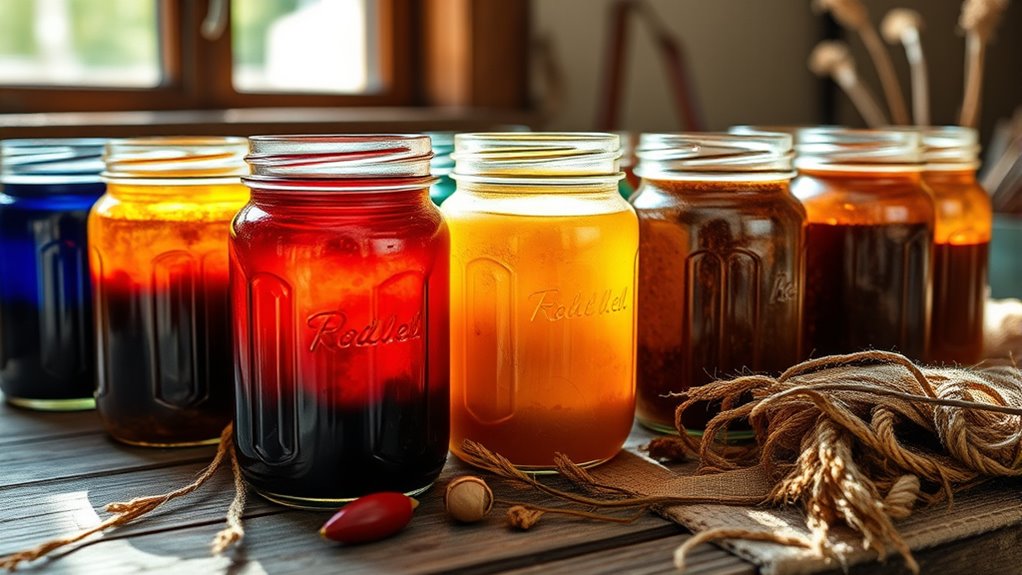

Choosing the right mordant is essential for successful natural dyeing, affecting color brightness, fastness, and fabric compatibility. The Oak Gall Extract stands out for its traditional tannin properties, making it a versatile choice for many fibers. The Jacquard Alum is a reliable, easy-to-use option ideal for beginners, while the Medley Hills Alum Powder offers great value for larger projects. However, tradeoffs include differences in ease of use, toxicity, and color effects. Continue reading for a detailed breakdown of the best mordants for natural dyeing and how to choose one for your needs.
Open a free Amazon Business account
Business pricing, bulk buying and tax-exempt orders.
Create a free accountAs an affiliate, we earn on qualifying purchases.
Key Takeaways
- Traditional tannin mordants like Oak Gall provide rich, lasting colors but may require longer processing times.
- Alum-based mordants such as Jacquard Alum and Medley Hills Alum are versatile, easy for beginners, and generally safe to use.
- Organic extracts like Myrobalan and Chestnut offer natural alternatives but may produce less predictable results.
- Price and quantity vary widely, with larger packages often providing better value for serious dyers.
- Compatibility with different fibers and dye sources is crucial — some mordants work better with wool, others with cotton or silk.
| Oak Gall Extract Natural Dye & Tannin |  | Best for Dark Shade Pre-Treatment | Quantity: 1 ounce | Source: Aleppo Oak galls (quercus infectoria) | Use: Dyeing, ink-making, fabric pre-treatment | VIEW ON AMAZON | See Our Full Breakdown |
| Jacquard Alum, 5 lb. Bag |  | Best for Large-Scale Fabric Marbling and Dyeing | Color: Clear/Uncolored | Brand: Jacquard | Item Form: Powder | VIEW ON AMAZON | See Our Full Breakdown |
| Granulated Food Grade Alum Powder – 2 lbs. by Medley Hills Farm |  | Best Versatile Food-Grade Mordant | Weight: 2 lbs | Brand: Medley Hills Farm | Made in: USA | VIEW ON AMAZON | See Our Full Breakdown |
| MB Herbals Alum Powder 100 Gram (3.5 oz) |  | Best for Cosmetic and Craft Applications | Weight: 100g (3.5 oz) | Usage: External use only | Applications: Deodorant, aftershave, leather & fabric mordant | VIEW ON AMAZON | See Our Full Breakdown |
| Organic Cotton Plus Alum Mordant – Aluminum Sulfate |  | Best for Enhancing Dye Fastness on Cotton | Material: Aluminum Sulfate | Application: Dye Fixative | Weight: 1 Pound | VIEW ON AMAZON | See Our Full Breakdown |
| Myrobalan Extract Natural Dye |  | Best for Beginners and Versatile Color Results | Weight: 1 ounce | Suitable for: Wool, cotton, silk | Color: Mustard, bronze | VIEW ON AMAZON | See Our Full Breakdown |
| Chestnut Extract Natural Dye & Tannin, 1 oz. |  | Best for Tannin-Rich Pre-Treatment and Shade Customization | Volume: 1 oz. | Origin: European | Main Components: Gallic and ellagic tannins | VIEW ON AMAZON | See Our Full Breakdown |
| Aluminum Acetate Mordant for Natural Dyes, 100 Grams |  | Best for Bright Color Fixation on Plant Fibers | Weight: 100 grams | Suitable for: Cotton and linen | Application: Natural dye mordant | VIEW ON AMAZON | See Our Full Breakdown |
| mordants for natural dyeing | Weight |
|---|---|
| Oak Gall Extract Natural Dye & | — |
| Jacquard Alum | 5 lb. |
| Granulated Food Grade Alum Pow | 2 lbs |
| MB Herbals Alum Powder 100 Gra | 100g (3.5 oz) |
| Organic Cotton Plus Alum Morda | 1 Pound |
| Myrobalan Extract Natural Dye | 1 ounce |
| Chestnut Extract Natural Dye & | — |
| Aluminum Acetate Mordant for N | 100 grams |
More Details on Our Top Picks
Oak Gall Extract Natural Dye & Tannin
This concentrated tannin extract from Aleppo Oak galls excels when used as a pre-treatment to deepen shades in natural dyeing, especially for achieving dark purple, olive, and black tones. Compared to the Medley Hills Farm Alum Powder, which is versatile but requires additional mordants for color enhancement, this product offers a natural source of tannins that can be combined with mordants like iron or aluminum for richer results. Its limited quantity (1 ounce) means it’s best suited for small projects or experimentation rather than large batches. While it provides a potent tannin base, it’s not a standalone mordant and demands supplementary chemicals, which could be a limitation for beginners seeking simplicity.
Pros:- Natural source of potent tannins for deepening shades
- Effective for pre-treating fabrics like cotton and linen
- Can be combined with mordants for complex color outcomes
Cons:- Requires additional mordants like aluminum or iron for full effect
- Limited to small quantities (1 ounce), not suitable for large batches
Best for: Dyers focusing on dark shades and fabric pre-treatment who want a natural tannin base
Not ideal for: Beginners seeking a straightforward mordant or large-volume projects due to its small size
- Quantity:1 ounce
- Source:Aleppo Oak galls (quercus infectoria)
- Use:Dyeing, ink-making, fabric pre-treatment
- Color Effect:Brown shade
Our verdict“This product is ideal for dyers seeking natural tannins to enhance dark shades but needs supplementary mordants for best results.”
Jacquard Alum, 5 lb. Bag
Compared with smaller or more specialized mordants, the Jacquard Alum offers a large 5-pound bag that makes it well-suited for extensive projects like fabric marbling or multiple dyeing sessions. Its effectiveness at pre-treating fabrics ensures clear design transfers and vibrant colors. However, the limited user feedback (mostly 2-star reviews) raises questions about consistency and purity, which are important considerations in dyeing. Additionally, as a chemical mordant, it demands careful handling and safety precautions, making it less appealing for casual or beginner dyers. Despite its bulk and potential hazards, it remains a staple for artists working on large textiles or detailed crafts.
Pros:- Large quantity offers excellent value for extensive projects
- Effective for fabric marbling and dyeing preparations
- Pre-treats fabric for vibrant and clear design transfer
Cons:- Limited customer feedback raises concerns about consistency
- Potential hazards if misused or mishandled
Best for: Experienced crafters and artists working on large-scale projects needing a reliable mordant
Not ideal for: Beginners or those seeking safer, food-grade options due to handling risks and limited reviews
- Color:Clear/Uncolored
- Brand:Jacquard
- Item Form:Powder
- Weight:5 lb.
Our verdict“This large bag suits experienced dyers who need a cost-effective mordant for big projects but requires careful handling.”
Granulated Food Grade Alum Powder – 2 lbs. by Medley Hills Farm
This food-grade potassium alum stands out for its versatility, suitable for culinary, skincare, and textile applications. Compared to specialized textile mordants like Organic Cotton Plus Alum Mordant, which is designed specifically for dyeing, this product’s food-safe quality makes it appealing for those also interested in edible or skin-care uses. Its 2-pound size provides a convenient and reusable container, making it a good choice for hobbyists experimenting with different dyeing techniques. However, its chemical nature means it must be handled with care, and users need some familiarity with mordanting processes, especially if used across multiple domains.
Pros:- Multi-purpose—usable in culinary, skincare, and textile projects
- Food-grade quality ensures safety for consumption or skin contact
- Large 2 lb. quantity with a reusable container
Cons:- Requires careful handling due to chemical nature
- Additional knowledge needed for proper dyeing application
Best for: Dyers seeking a multi-purpose, food-grade alum for dyeing, cooking, or skincare routines
Not ideal for: Beginners or those looking for a dedicated textile mordant without culinary uses due to handling precautions
- Weight:2 lbs
- Brand:Medley Hills Farm
- Made in:USA
- Type:Granulated Potassium Alum
Our verdict“This versatile alum is best for those who want a safe, multi-use product but require some familiarity with mordanting techniques.”
MB Herbals Alum Powder 100 Gram (3.5 oz)
The MB Herbals Alum Powder is tailored for external uses like deodorants, aftershaves, and as a mordant for leather, fabric, and paper. Its cosmetic-grade quality underscores safety for skin contact, making it an excellent choice for DIY natural deodorants or skincare. Compared with the Jacquard Alum, which is more suited for fabric applications, this product’s small size and external-only label limit its use for large dye projects. Its need for patch testing and external application focus mean it’s less appropriate for dyeing beginners or those looking for a multipurpose mordant for internal use.
Pros:- Safe for external skin and cosmetic applications
- Suitable for making natural deodorants and aftershaves
- Effective external mordant for leather, fabric, and paper
Cons:- Not suitable for ingestion or water treatment
- Limited quantity (100g) for larger projects
- Requires patch testing for skin safety
Best for: DIY enthusiasts seeking a safe, natural alum for skincare, deodorants, or small craft projects
Not ideal for: Dyers wanting a large quantity for extensive fabric dyeing or water treatments, due to its small size and external use only
- Weight:100g (3.5 oz)
- Usage:External use only
- Applications:Deodorant, aftershave, leather & fabric mordant
Our verdict“This alum is perfect for external cosmetic uses and small craft projects but not for large-scale dyeing or internal applications.”
Organic Cotton Plus Alum Mordant – Aluminum Sulfate
Designed specifically as a dye fixative, Organic Cotton Plus Alum Mordant stands out for improving both color intensity and fastness on cotton fabrics. Compared to the Jacquard Alum, which is more general-purpose, this alum is formulated to optimize dye results on natural fibers without added chemicals like iron. Its 1-pound size offers convenience for repeated use, but it’s limited to cotton and similar cellulose fibers. Proper handling is necessary, and it’s best suited for users who want reliable, safe mordanting without the complexity of multiple chemicals.
Pros:- Enhances dye color and improves fastness
- Iron-free formulation is safer and easier to handle
- Made in the USA for quality assurance
Cons:- Limited to cotton fabrics, not suitable for wool or silk
- Requires proper chemical handling and safety precautions
Best for: Cotton dyers wanting to boost color vibrancy and durability in their projects
Not ideal for: Dyers working with silk or wool, as it’s formulated for cotton and similar fabrics only
- Material:Aluminum Sulfate
- Application:Dye Fixative
- Weight:1 Pound
- Made in:USA
- Size:Approximately 1 3/4 cups
Our verdict“This alum mordant provides reliable color enhancement for cotton, especially for those prioritizing safety and ease of use.”
Myrobalan Extract Natural Dye
This extract stands out for its ease of use, making it a strong choice for those new to natural dyeing while still appealing to experienced dyers seeking rich, warm hues. Unlike the Chestnut Extract, which is more focused on tannin content for pre-treatment or tanning, Myrobalan delivers vibrant mustard and bronze shades directly from the fruit, with minimal preparation. However, it requires a mordant for optimal color fixation, which adds an extra step for some users. Its suitability for wool, cotton, and silk broadens its appeal, but color outcomes can vary depending on mordant choice and dyeing conditions. This pick makes the most sense for dyers who want an approachable, all-in-one dye source that doesn’t demand extensive pre-treatment.
Pros:- Easy to use for both novices and experienced dyers
- Produces rich mustard and bronze shades
- Suitable for wool, cotton, and silk
- Requires minimal equipment for basic dyeing
Cons:- Requires a mordant for best color fixation
- Color intensity may vary depending on dyeing process
- Limited to natural fibers
Best for: Beginners or natural dyers looking for quick, vibrant color results on multiple fiber types
Not ideal for: Dyers seeking intense, consistent color or working exclusively on synthetic fibers
- Weight:1 ounce
- Suitable for:Wool, cotton, silk
- Color:Mustard, bronze
- Usage:Up to 1 pound of fiber
Our verdict“Ideal for those new to natural dyeing who want vibrant, earthy tones with straightforward application.”
Chestnut Extract Natural Dye & Tannin, 1 oz.
This concentrated European chestnut extract excels as a tannin source, making it ideal for pre-treating fabrics like cotton and linen or for enhancing color intensity when used with mordants. Compared with the Myrobalan Extract, which is more of a direct dye, this product is better suited for dyers who want to manipulate shades through tannin application or prepare fabrics for subsequent dyeing. Its small 1 oz. size limits large-scale projects, but the high concentration offers versatility in multiple applications. Dyes that rely solely on tannins won’t produce color without a mordant, so this product is best for those familiar with tannin-based dyeing or tanning processes. It’s less convenient for straightforward dyeing without additional mordants, but highly effective for complex color work.
Pros:- Rich source of natural tannins for pre-treatment or tanning
- Versatile for achieving various shades with mordants
- Concentrated extract allows multiple uses
- Suitable for dyeing and tanning applications
Cons:- Requires additional mordants for effective dyeing
- Limited to small, 1 oz. quantities
- Not a standalone dye—needs proper processing
Best for: Dyers seeking to pre-treat fabrics or add tannin-rich layers to their natural dyeing process
Not ideal for: Beginners or users wanting ready-to-dye colors without additional steps
- Volume:1 oz.
- Origin:European
- Main Components:Gallic and ellagic tannins
Our verdict“Best suited for dyers experienced with tannins who want fine control over fabric preparation and shade layering.”
Aluminum Acetate Mordant for Natural Dyes, 100 Grams
This aluminum acetate mordant shines in its ability to produce vibrant, bright shades on cotton and linen, especially when working with dyes like madder or logwood. Compared with the Myrobalan Extract, which can produce earthy tones, this mordant is more about achieving vivid, well-fixed colors. Its 100-gram jar suits small to medium projects but may require careful measurement to avoid waste. The need for chalk (calcium carbonate) for proper fixation adds a step that might challenge beginners, but it ensures color fastness. It’s not suitable for synthetic fibers, making it a targeted choice for plant-based textiles. This mordant is a good fit for dyers who want reliably bright results but must be prepared for the additional fixation step.
Pros:- Effective on cotton and linen
- Produces vibrant, bright shades
- Suitable for natural dye projects with proper fixation
- 100 grams enough for up to a kilogram of fabric
Cons:- Requires additional chalk for proper fixation
- Limited to small-scale projects
- Not suitable for synthetic fibers
Best for: Natural dyers focusing on plant fibers aiming for bright, durable colors
Not ideal for: Dyers working on synthetic fabrics or seeking large-scale mordanting without precise measurement
- Weight:100 grams
- Suitable for:Cotton and linen
- Application:Natural dye mordant
- Requires:Chalk (calcium carbonate)
Our verdict“Perfect for dyeing on cotton and linen where vibrant, well-fixed colors are desired, provided the user is comfortable with the fixation process.”

How We Picked
The products in this roundup were selected based on their performance, safety, ease of use, and value. I evaluated each mordant’s ability to produce vibrant, fast-fastening colors across various fabrics, considering user-friendliness for both beginners and experienced dyers. Build quality and ingredient purity were also key factors, along with customer reviews and reputation. The ranking reflects a balance between effectiveness, versatility, safety, and cost, helping readers identify options suited to different dyeing goals and skill levels.Factors to Consider When Choosing Mordants For Natural Dyeing
When choosing a mordant for natural dyeing, understanding the key factors can help you make an informed decision that matches your project needs and skill level. From safety considerations to fiber compatibility, each aspect influences the final results and ease of use. Here are the main criteria to consider before buying your mordant.Safety and Toxicity
Many mordants contain chemicals that can be hazardous if mishandled. Alum-based mordants are generally considered safe for home use, especially when used with proper ventilation and protective gear. Organic extracts and tannins like Oak Gall are natural options but may still require careful handling. Always check ingredient labels and opt for food-grade or organic options if you prioritize eco-friendliness and safety, particularly when dyeing clothing or items for children.
Fiber Compatibility
Not all mordants work equally well with every fiber type. Alum mordants tend to be versatile, suitable for cotton, wool, silk, and linen, making them a good all-round choice. Tannin mordants like Oak Gall are especially effective with cellulose fibers like cotton and linen, and can sometimes improve the colorfastness of protein fibers. Matching your mordant to your fabric ensures vibrant results and durability, so consider your project’s fiber type when selecting a mordant.
Ease of Use
Some mordants, like liquid extracts, are straightforward to apply, while powders can require pre-dissolving and precise measurements. Beginners should prefer ready-to-use or pre-measured options to minimize mistakes. Complex mordants or those needing longer mordanting times may be better suited for experienced dyers willing to experiment. Remember, simpler processes often lead to more consistent results, especially if you’re new to natural dyeing.
Color Fastness and Effect
The choice of mordant significantly influences the final color’s intensity and fastness. Tannin mordants typically deepen hues and improve lightfastness, while alum-based mordants tend to preserve the original dye color. Some mordants, like chestnut extract, can add unique tannin tones but may produce more subdued results. Consider the desired final look and whether durability or brightness matters more for your project.
Cost and Quantity
Prices vary, with larger packages often providing better value for those dyeing frequently. Organic extracts may be pricier per ounce but can offer more natural results. Evaluate your budget against your project scope — a small sample might only need a little extract, while larger projects benefit from bulk options. Also, consider storage and shelf life, especially for powders that might degrade over time.
Environmental Impact
Eco-conscious dyers should look for mordants derived from natural sources or those with minimal environmental footprints. Alum is widely used due to its safety profile, but some organic options like chestnut and myrobalan are entirely natural and biodegradable. Avoid mordants with heavy metals or toxic chemicals if sustainability is a priority. Your choice can influence the overall eco-friendliness of your dyeing process.
Frequently Asked Questions
Is alum safe to use on all types of fabrics?
Alum mordants are generally considered safe and compatible with most natural fibers, including cotton, silk, wool, and linen. However, the application process and mordanting times can vary depending on the fabric. Test on a small swatch first to see how your material reacts, especially if working with delicate or specialty fibers. Proper handling and thorough rinsing after mordanting are essential to avoid any potential fabric damage or residue.
Can I use organic extracts as a substitute for traditional mordants?
Organic extracts like chestnut or myrobalan can serve as natural mordants, especially for those seeking chemical-free options. While they may not always produce the same intensity or fastness as chemical mordants, they are effective at adding tannins that enhance color and durability. Keep in mind that results can be less predictable, so experimenting on small samples before larger projects is wise. These extracts often require longer mordanting times but align well with eco-conscious practices.
How much mordant do I need for a typical dyeing project?
The amount varies based on fabric weight, mordant type, and desired color intensity. Commonly, alum is used at about 10-20% of the weight of the fabric, but always follow specific instructions for each product. Larger quantities of powders or extracts increase cost but also provide more flexibility for multiple projects. Measuring accurately and using enough mordant to fully treat the fabric ensures better colorfastness and vibrancy.
Are there any mordants I should avoid for eco-friendly dyeing?
Some mordants contain heavy metals or toxic chemicals, such as chrome or copper, which can be harmful to the environment and your health. Alum and natural tannins are among the safest choices for eco-conscious dyeing. Avoid mordants with synthetic or heavy-metal components unless you have proper disposal methods in place. Opting for organic or food-grade options can significantly reduce environmental impact.
How do I choose the right mordant for different dye sources?
Different dyes respond uniquely to various mordants. For example, yellows and browns often work well with tannins like oak galls, while bright colors from berries may need alum for better brightness and fastness. Conduct small test samples if possible to see how your chosen dye interacts with each mordant type. Matching the mordant to your specific dye source can enhance color richness and longevity, making your project more successful.
Conclusion
For most dyers, especially beginners or those seeking versatility, Jacquard Alum offers a reliable, safe choice that preserves a wide range of dye colors. Oak Gall Extract stands out for traditional tannin effects, ideal for those prioritizing natural ingredients. If you’re working on large projects or want the best value, Medley Hills Alum Powder provides a cost-effective solution. Chestnut Extract and Myrobalan are excellent natural alternatives for eco-conscious dyers, though results may require more experimentation. Ultimately, your choice depends on your fiber type, safety preferences, and project goals — select accordingly for vibrant, durable outcomes.
As an affiliate, we earn on qualifying purchases.NFL season / tailgating Picks
team gear