To start block printing on fabric, choose suitable fabrics like cotton or silk and prepare them by washing and stretching to keep the surface taut. Select or carve your stamps from wood, linoleum, or rubber, then apply dye evenly with a roller or brush. Press the stamp firmly onto the fabric, repeating to create patterns and align designs for a seamless look. Finish by drying and setting the dye, and you’ll discover more creative techniques as you continue experimenting with this vibrant craft.
Key Takeaways
- Prepare fabric by washing, drying, and stretching it onto a flat surface for crisp printing.
- Select or carve detailed wooden or custom stamps to match your desired pattern.
- Apply dye evenly to the stamp using a roller or brush, then press firmly onto the fabric.
- Align stamps carefully to create seamless or artistic repeating patterns across the fabric.
- Allow the fabric to dry and set the dye according to instructions for vibrant, durable designs.
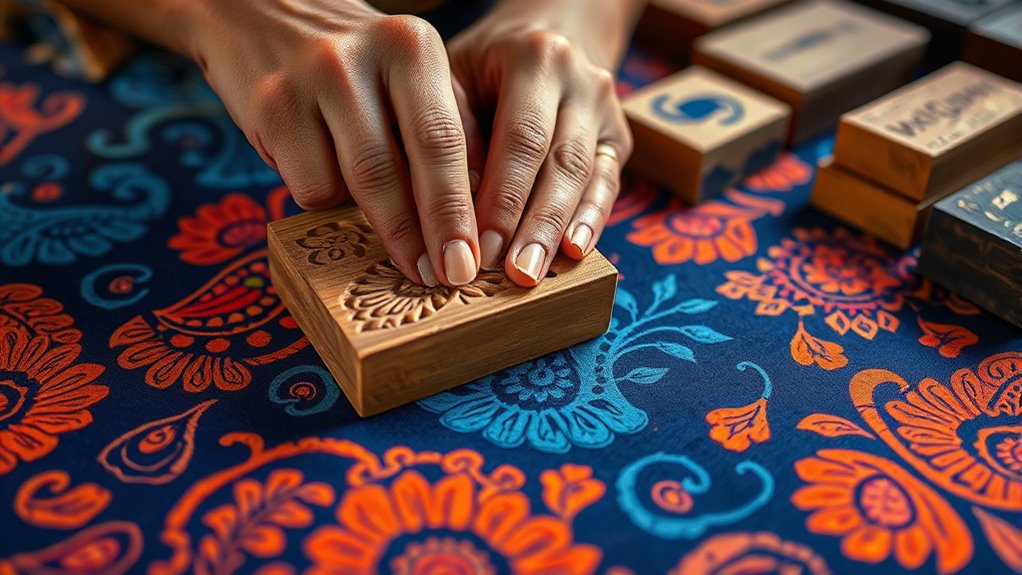
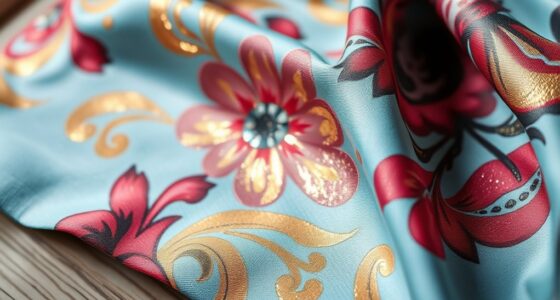
Block printing on fabric is a traditional art form that transforms plain textiles into vibrant, intricate designs. It’s a craft that combines creativity with technique, allowing you to create beautiful patterns that can be used for clothing, home décor, or gifts. To get started, you’ll need to understand the basics of fabric dyeing, as the vibrant colors in your prints depend heavily on the dyes you choose. Traditional patterns often feature motifs inspired by cultural heritage, such as floral, geometric, or animal designs, which you can replicate or modify to suit your style.
Block printing transforms textiles into vibrant, intricate designs blending tradition and creativity.
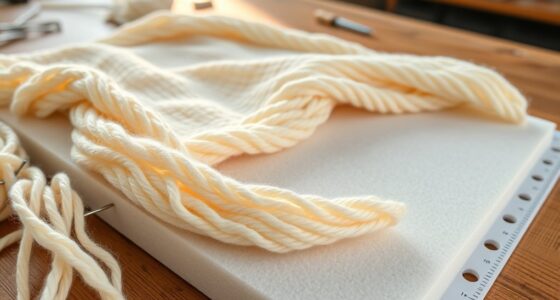
First, select a fabric suitable for block printing—cotton and silk are popular choices because they absorb dye well. Before you start printing, wash and dry your fabric to remove any sizing or chemicals that might interfere with dye absorption. Once clean, stretch the fabric onto a flat, hard surface or frame to keep it taut during printing. This ensures your prints stay crisp and even.
Next, focus on creating or acquiring your stamps. Traditional blocks are carved from wood, often featuring intricate motifs that reflect cultural patterns. You can carve your own block using linoleum or rubber if you’re feeling adventurous, but pre-made blocks are widely available and come in various designs. When choosing your block, consider the pattern’s complexity and how it will repeat across the fabric.
Before applying dye, prepare your fabric dyeing solution. Mix your dyes with water and fixatives according to the instructions, or opt for eco-friendly, natural dyes if you prefer a more traditional approach. Test your dyes on scrap fabric to see how the colors develop. When ready, apply the dye to your block using a roller or brush, ensuring the design is evenly coated. Tap the block gently onto the fabric, pressing firmly to transfer the pattern. Carefully lift the block straight up to avoid smudging.
Repeat this process across your fabric, aligning your blocks to create a seamless pattern or a more random, artistic design. If you want to incorporate traditional patterns, study cultural motifs and practice replicating them on a small scale first. As you work, remember that fabric dyeing can be unpredictable, so patience is key. Once your design is complete, allow the fabric to dry in a shaded area to preserve the colors. Additionally, understanding how dyes work on different fabrics can help you achieve better results and more vibrant prints.
Finally, set the dye according to the dye manufacturer’s instructions—this might involve heat-setting or washing the fabric in cold water. With practice, you’ll develop a keen eye for color combinations and pattern placement. Block printing on fabric is a rewarding craft that celebrates cultural heritage and your personal creativity, giving you beautiful, handcrafted textiles that showcase traditional patterns and vibrant colors.

Wooden Textile Stamps Indian Lotus Decorative Border Painting Stamp PB2803A by Knitwit
SALE FOR – 1 Printing Stamp; MATERIAL – Wood
As an affiliate, we earn on qualifying purchases.
As an affiliate, we earn on qualifying purchases.
Frequently Asked Questions
What Types of Fabric Are Best Suited for Block Printing?
You should choose natural fabrics like cotton, linen, and silk for block printing, as they absorb ink well. Before you start, prepare your fabric by washing and ironing it to remove impurities and wrinkles. When selecting colors, opt for fabric-safe dyes that contrast well with your fabric’s base. Proper fabric preparation and thoughtful color selection guarantee vibrant, clear prints, making your project more successful and satisfying.
How Do I Prevent Colors From Bleeding During Printing?
To prevent colors from bleeding during printing, use colorfast dyes and guarantee your fabric is properly pre-treated. Wash and dry the fabric beforehand to remove any residues, then apply a fabric pre-treatment like a mordant or a fixative to help the dye adhere better. Also, avoid over-pressing the block and wait for the ink to dry completely before handling your fabric to keep your design crisp.
Can I Reuse Carved Blocks for Multiple Projects?
You can definitely reuse carved blocks for multiple projects if you take care of them. Think of it as giving your blocks a second wind—proper carving techniques and careful block preservation are key. Clean your blocks thoroughly after each use, avoid harsh chemicals, and store them in a dry, cool place. This way, your blocks stay in shape, and you can enjoy many more creative projects without worry.
What Safety Precautions Should I Take During the Process?
You should always wear protective gear like gloves and aprons to avoid ink and dye stains. Make certain your workspace is well-ventilated to prevent inhaling fumes from inks and paints. Keep sharp carving tools away from your hands, and work on a stable surface. Taking these precautions helps keep you safe and comfortable during the block printing process. Always follow safety guidelines to enjoy your craft without concerns.
How Do I Troubleshoot Common Printing Mistakes?
If you notice misaligned designs, double-check your block placement and guarantee even pressure during printing. For ink consistency issues, stir your ink thoroughly to avoid uneven color application. To fix common mistakes, re-align your design before printing, apply even pressure, and test on scrap fabric first. Keep your workspace organized, so you can easily spot and correct issues quickly, ensuring your final print looks professional.

Speedball Premium Block Printing Ink Set – 6 Colors for Fabric and Paper – Water Soluble Oil Based Ink – 1.25 oz Each – Non Toxic Art Supplies
PROFESSIONAL COLOR SET – Premium water-miscible oil-based inks in 6 vibrant, opaque colors perfect for block printing on…
As an affiliate, we earn on qualifying purchases.
As an affiliate, we earn on qualifying purchases.
Conclusion
Now that you know how to block print on fabric, you’ll be able to create stunning, personalized designs. Did you know that the global textile printing market is expected to reach $11.4 billion by 2025? With just a few simple tools and a bit of practice, you can turn plain fabric into a work of art. So go ahead, get creative, and enjoy making unique pieces that reflect your style and passion!
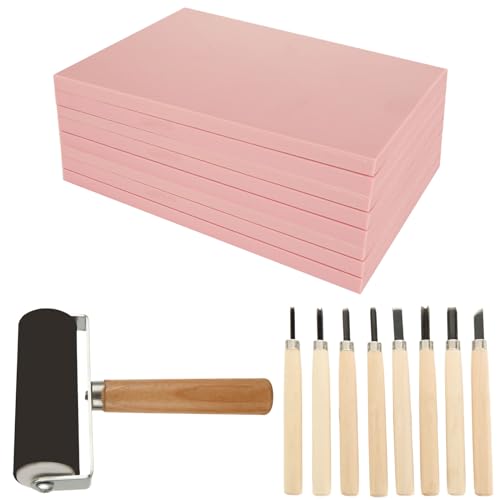
DIRBUY 10 Pack Rubber Stamp Making Kit – Block Printing Kit,Linoleum Carving Tools with 8 Type Blades, 8 Pcs Pink Rubber Carving Block and Rubber Brayer Roller
【Value Package】The rubber stamp making kit contains 1 piece cutter with 8 different types of cutting blades, 8…
As an affiliate, we earn on qualifying purchases.
As an affiliate, we earn on qualifying purchases.
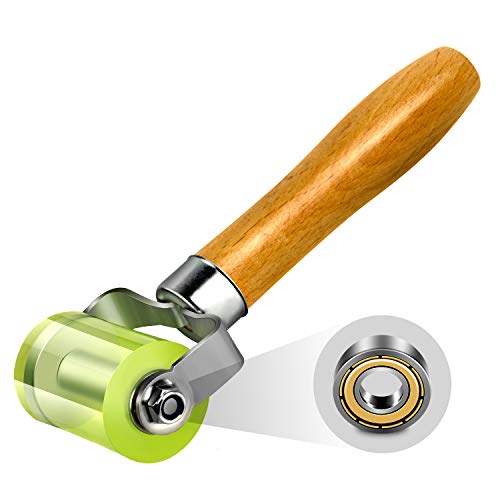
LUMITECO Bearings Equipped Automotive Car Audio Sound Deadening Application Wheel Roller, Heat Abatement Mat Wallpaper Application PU Smoothing Tool Seam Roller
【Upgraded Bearings Equipped】This seam roller is constructed by durable polyurethane(PU) roller held to a wooden handle with a…
As an affiliate, we earn on qualifying purchases.
As an affiliate, we earn on qualifying purchases.