Sustainable denim makes your jeans eco-friendly by using organic fibers like organic cotton or hemp, which require fewer chemicals and promote healthier ecosystems. It also employs water-saving techniques such as laser finishes, ozone treatments, and waterless dyeing, reducing water use and pollution. Supporting brands that prioritize transparency and certifications encourages industry change. If you want to discover how these practices can transform your wardrobe and help protect the planet, keep exploring more about sustainable denim.
Key Takeaways
- Using organic fibers like organic cotton reduces environmental impact and promotes healthier ecosystems in denim production.
- Waterless dyeing and laser technology significantly cut water usage and pollution during manufacturing.
- Certifications such as GOTS and OEKO-TEX verify eco-friendly and sustainable denim practices.
- Supporting brands with transparent supply chains encourages industry-wide adoption of sustainable methods.
- Choosing eco-friendly denim helps conserve natural resources and promotes responsible fashion industry growth.
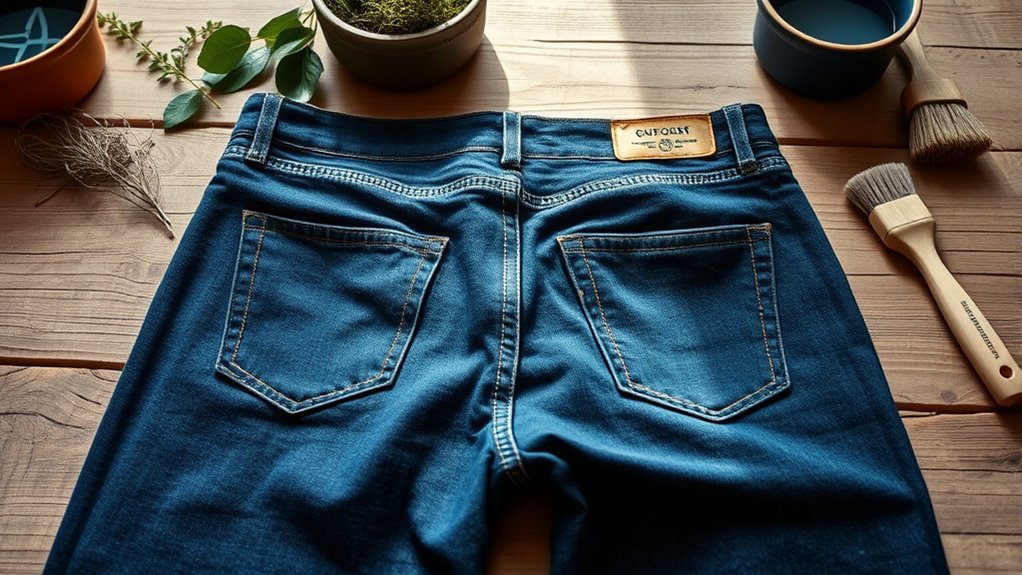
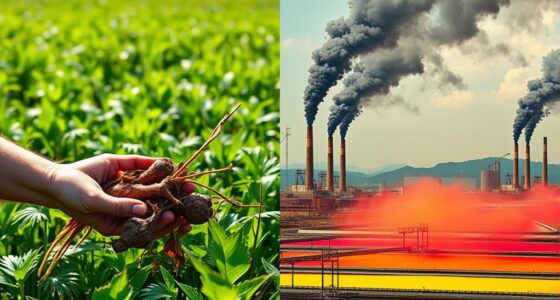
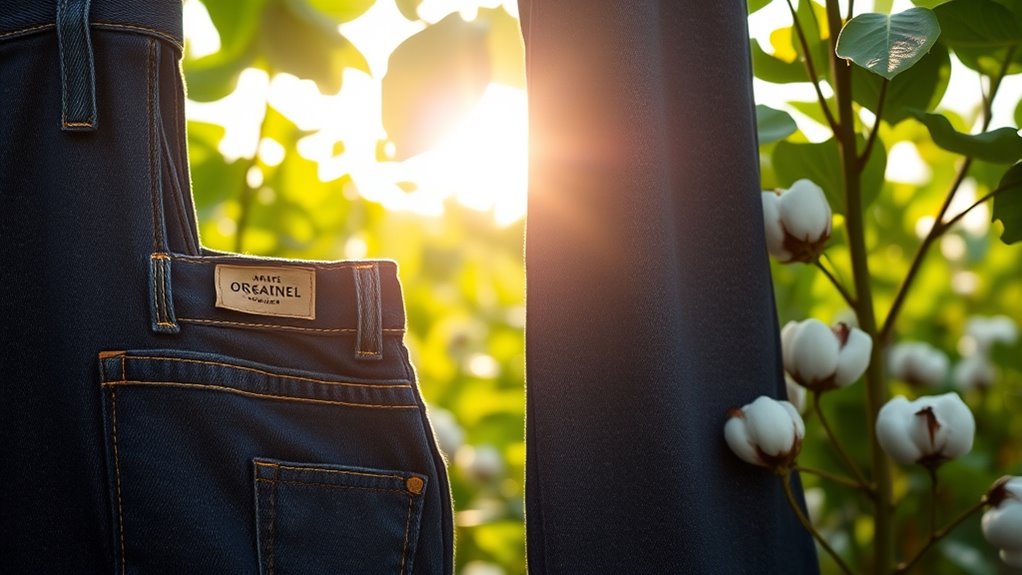
Have you ever wondered how your favorite denim jeans impact the environment? The journey from raw materials to finished product can be surprisingly resource-intensive, but there are significant strides being made toward making denim more sustainable. One of the key innovations involves the use of organic fibers, which are grown without harmful pesticides or synthetic fertilizers. These fibers reduce the environmental footprint of denim production because they require less chemical intervention and promote healthier ecosystems. When you choose jeans made from organic cotton or hemp, you’re supporting farming practices that prioritize soil health, biodiversity, and water quality. Plus, organic fibers tend to be softer and more breathable, which enhances comfort without sacrificing style.
Water conservation is another critical aspect of eco-friendly denim manufacturing. Traditional denim production is notoriously water-heavy, especially during the cotton growing and dyeing stages. Millions of gallons are used just to cultivate cotton and process the fabric, often resulting in water pollution and depletion of local water sources. However, brands committed to sustainability are adopting innovative techniques to drastically reduce water usage. For example, some use laser technology and ozone treatments to achieve desired finishes and washes without soaking the fabric in large quantities of water. Others have developed waterless dyeing processes that use less dye and produce less wastewater. These advancements not only lessen the environmental burden but also make the production process more efficient and cost-effective.
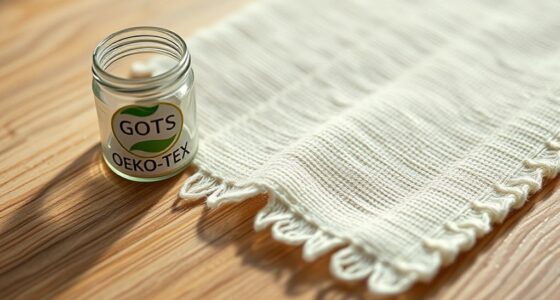
By opting for denim made with organic fibers and supporting brands that prioritize water conservation, you actively contribute to reducing pollution and conserving precious natural resources. Your choices can influence the industry to shift toward more sustainable practices, encouraging farmers and manufacturers to adopt eco-friendly methods. The impact extends beyond just one pair of jeans; it helps foster a more responsible and sustainable fashion landscape. When shopping, look for certifications like GOTS (Global Organic Textile Standard) or OEKO-TEX, which certify that the fibers are genuinely organic and produced with minimal environmental impact. Additionally, choosing brands that utilize vetting and transparent supply chains can ensure higher standards of sustainability and ethical production.
In the end, sustainable denim isn’t just a trend—it’s a necessary evolution in how we produce and consume clothing. You have the power to make a difference by choosing jeans that prioritize organic fibers and water conservation. These choices help reduce the strain on our planet, ensuring that future generations can also enjoy stylish, durable jeans without sacrificing environmental health. Every small step, like selecting eco-friendly denim, pushes the fashion industry toward more responsible and sustainable practices.
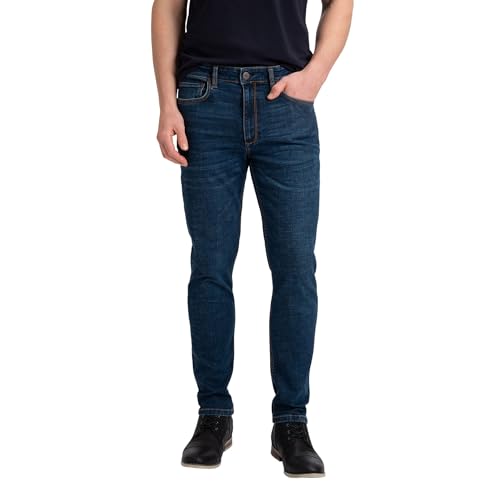
Organic Signatures Mens Jeans Stretch Denim Slim Straight Tapered Leg Soft Cotton (Blue, 30W, 30L)
GOTS-Certified Organic Cotton – Made with 98% certified organic cotton for superior quality, softness, and sustainability
As an affiliate, we earn on qualifying purchases.
As an affiliate, we earn on qualifying purchases.
Frequently Asked Questions
How Long Does Sustainable Denim Typically Last Compared to Conventional Jeans?
Sustainable denim typically lasts just as long as conventional jeans because of its high fiber durability. You’ll find that sustainable denim maintains its shape and strength through multiple washes, giving it excellent wash longevity. When you choose eco-friendly jeans, you’re not sacrificing quality; they’re designed to withstand everyday wear and tear, ensuring your jeans stay durable and stylish over time. Plus, they help reduce environmental impact.
Are There Any Specific Brands Known for Fully Eco-Friendly Denim?
Yes, some brands are known for fully eco-friendly denim. You’ll want to look for brands that prioritize Brand transparency, openly sharing their sustainable practices. Certifications and labels like GOTS, Fair Trade, and OEKO-TEX guarantee their denim meets strict environmental and social standards. These brands often use organic fibers, eco-friendly dyes, and low-impact manufacturing processes, so you can feel confident that your jeans are environmentally responsible and ethically produced.
What Are the Main Challenges in Producing Sustainable Denim at Scale?
You face challenges in producing sustainable denim at scale, mainly due to supply chain transparency issues and the need for water conservation techniques. Ensuring every stage, from fiber sourcing to manufacturing, is eco-friendly requires rigorous oversight. Water-intensive processes must be replaced with innovative techniques, but scaling these methods is complex and costly. Overcoming these hurdles is essential for creating truly sustainable denim that’s accessible worldwide.
Can Sustainable Denim Be Recycled or Upcycled After Use?
Yes, sustainable denim can definitely be recycled or upcycled after use. You’ll find recycling processes that transform worn-out jeans into new fibers, reducing waste and resource use. Upcycling methods also allow you to creatively repurpose old denim into stylish bags, patches, or art. By embracing these eco-friendly practices, you help close the loop, turning discarded denim into desirable, durable designs and supporting a sustainable, circular fashion cycle.
How Does the Cost of Eco-Friendly Jeans Compare to Traditional Denim?
You’ll find that eco-friendly jeans usually cost more than traditional denim due to higher-quality, sustainable materials and ethical manufacturing practices. While the pricing differences can be significant, many consumers find the investment worthwhile because these jeans offer better durability and reduced environmental impact. Although they might seem less affordable initially, supporting sustainable fashion helps promote eco-conscious choices and long-term benefits for both the planet and your wardrobe.
waterless dye sustainable jeans
As an affiliate, we earn on qualifying purchases.
As an affiliate, we earn on qualifying purchases.
Conclusion
By choosing eco-friendly denim, you’re taking a step in the right direction, proving that fashion can be kind to the planet. Every small action adds up, and your conscious choices can spark bigger change. Remember, it’s not just about looking good but doing good too. When you embrace sustainable practices, you’re planting seeds for a greener future. So, don’t wait for change—be the change you want to see in the world.

GERINLY Cotton Hemp Scarf Two Tone Neck Wrap Blanket Travel Shawl Simple Head Scarf (Denim)
SIZE: 35.4"x74.8"/90x190CM, long and big enough to wrap around your head, neck or shoulder.
As an affiliate, we earn on qualifying purchases.
As an affiliate, we earn on qualifying purchases.

LANE LINEN 100% Egyptian Cotton Split King Sheets for Adjustable Beds – Soft & Comfy Sateen Weave Naturally Cooling Breathable Oeko Tex Certified Bed Sheets – Dark Denim
Luxurious Feel: Experience unparalleled comfort and luxury with these high thread count Lane Linen 100% Egyptian cotton split…
As an affiliate, we earn on qualifying purchases.
As an affiliate, we earn on qualifying purchases.