To avoid common sewing mistakes, start by selecting beginner-friendly fabrics like cotton and wash your fabric before sewing. Always test and adjust your thread tension for different materials to prevent puckering or loose stitches. Carefully prepare your fabric by ironing it beforehand, and be mindful of choosing appropriate textiles that suit your project. Attention to these basics helps create better results and builds confidence—keep going, and you’ll discover more tips to improve your sewing skills.
Key Takeaways
- Choose suitable, manageable fabrics like cotton or quilting cotton to prevent sewing difficulties.
- Always test and adjust thread tension on scrap fabric for even, professional-looking stitches.
- Pre-wash and iron fabrics before sewing to avoid shrinking or warping later.
- Be mindful of fabric and thread compatibility, adjusting tension as needed for delicate or heavy materials.
- Troubleshoot sewing issues early by checking tension, fabric choice, and machine settings for better results.
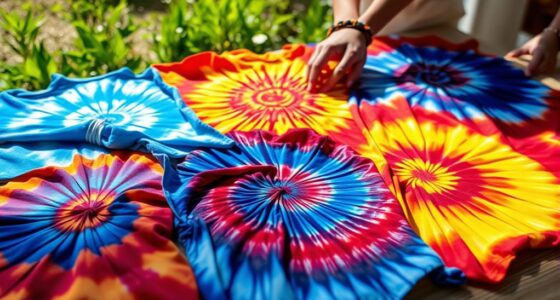
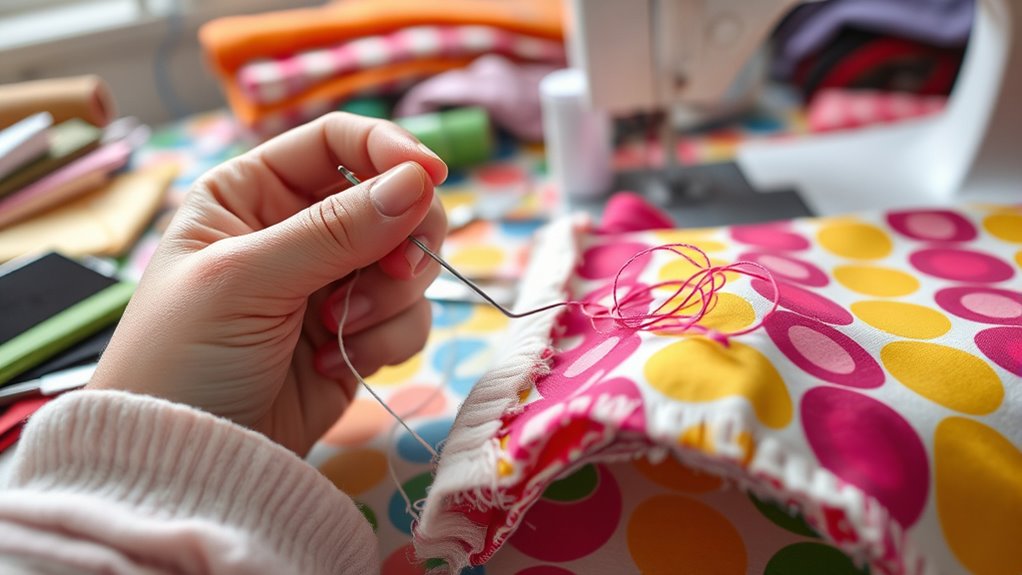
Starting to sew can be exciting, but beginners often make common mistakes that can be frustrating or even prevent their projects from turning out as planned. One of the most fundamental errors is choosing the wrong fabric. When you’re just starting, it’s tempting to pick colorful or trendy textiles, but not all fabrics are beginner-friendly. Lightweight, woven fabrics like cotton or quilting cotton are easier to handle and sew than slippery silks or stretchy knits. Picking the right fabric can make your sewing experience smoother, reduce frustration, and lead to better results. Make sure to consider what your project demands and select a fabric that’s suitable for your skill level.
Choosing beginner-friendly fabrics like cotton makes sewing easier and more enjoyable.
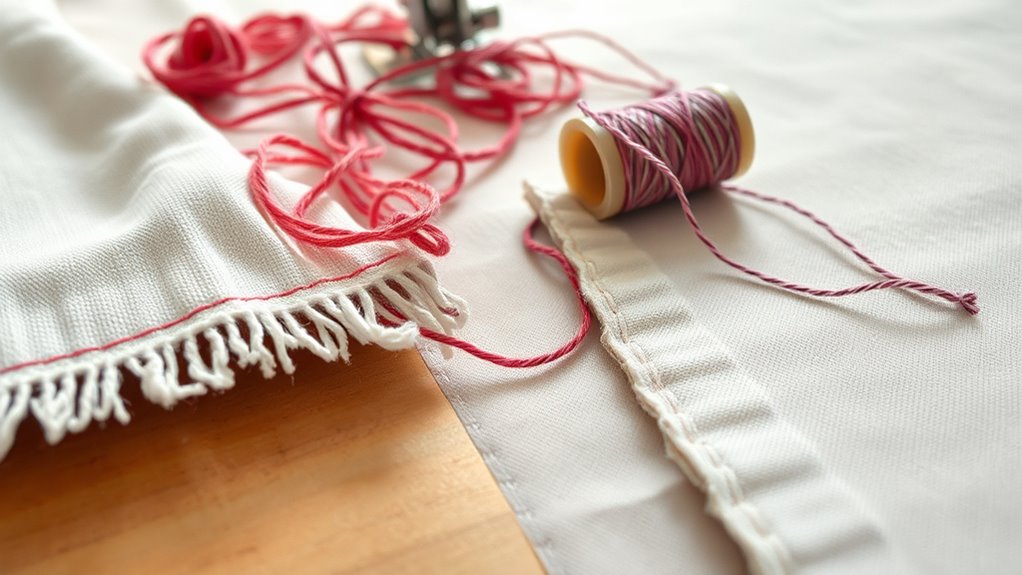
Another essential aspect that often trips up beginners is thread tension. Proper thread tension is necessary for balanced stitches; if it’s too tight or too loose, your seams can pucker, break, or unravel. Many beginners overlook this setting and just start sewing, but adjusting the tension on your machine is critical. Start with the default tension setting, usually around 4, and test on scrap fabric first. If your stitches look uneven or you notice loops on the underside, you’ll want to fine-tune the tension. Proper tension ensures your stitches are tight and even, which is key for durability and a professional finish.
In addition to fabric choice and thread tension, you should pay attention to how you prepare your fabric before sewing. Wash, dry, and iron your fabric beforehand to prevent shrinking or warping later. This step might seem minor, but it directly affects the quality of your finished project. Choosing fabric that’s pre-washed or that you’ve properly pre-treated helps avoid surprises down the line.
When it comes to thread tension, don’t just set it once and forget it. Different fabrics and threads may require slight adjustments. For example, if you’re working with a delicate silk, you might need to loosen the tension a bit to prevent puckering. Conversely, heavier fabrics may need a slightly tighter tension for a clean stitch. It’s worth taking the time to test and adjust as needed, rather than rushing into your project with a one-size-fits-all setting.
Additionally, understanding the importance of thread tension can help you troubleshoot common sewing issues and achieve a more professional-looking finish. Ultimately, paying close attention to your fabric choice and maintaining proper thread tension can dramatically improve your sewing outcomes. These foundational steps boost your confidence, help you learn faster, and lead to more polished, successful projects. Remember, sewing is a skill that improves with patience and practice, so don’t get discouraged by initial mistakes.

10" x 10" 50 PCS 100% Cotton Fabric Bundles for Quilting Sewing DIY & Quilt Beginners, Quilting Supplies Fabric Squares
Pre-cut quilting fabric were made of 100% cotton with a sateen weave.200-thread count
As an affiliate, we earn on qualifying purchases.
As an affiliate, we earn on qualifying purchases.
Frequently Asked Questions
What Are the Best Beginner-Friendly Sewing Machines?
You should consider beginner-friendly sewing machines like the Brother CS6000i or Singer Start 1304. Look for features like adjustable stitch length, easy threading, and a clear bobbin compartment. When comparing brands, check for durability, customer reviews, and warranty support. These machines are simple to operate, affordable, and perfect for learning, making your sewing experience smooth and enjoyable from the start.
How Do I Choose the Right Fabric for My Project?
You should start by investigating how fabric selection impacts your project’s success. Choose fabrics that match your pattern’s compatibility, meaning the right weight, texture, and stretch. For beginners, stick to easier fabrics like cotton or linen, which are forgiving and versatile. Always read your pattern instructions carefully, and test small swatches first. This way, you guarantee your fabric choice enhances your sewing experience and results.
What Are Common Sewing Terminology Beginners Should Know?
You should learn basic sewing terminology to build your confidence. Understand words like seam allowance, bobbin, and selvage, which are common in beginner sewing vocabulary. Knowing these terms helps you follow patterns accurately and communicate effectively. For example, a seam allowance is the fabric edge sewn together, and the bobbin holds the lower thread. Mastering this sewing terminology makes your sewing projects smoother and more enjoyable.
How Can I Fix Mistakes Without Starting Over?
When you’re in a pinch, remember that a stitch in time saves nine. To fix sewing mistakes efficiently, carefully unpick only the affected stitches with a seam ripper, then resew or adjust as needed. Use fabric clips or pins to hold fabric in place while correcting. Don’t rush—take your time to guarantee precision. This way, you’ll master sewing error correction and save yourself the hassle of starting over.
What Sewing Accessories Are Essential for Beginners?
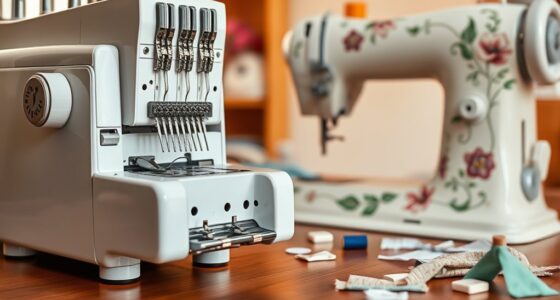
You should start with essential sewing accessories like quality sewing scissors for clean cuts and precise fabric handling. Keep your sewing machine well-maintained by regularly cleaning and oiling it to prevent jams and guarantee smooth stitching. Investing in a seam ripper helps fix mistakes without starting over, and a variety of pins and fabric markers will make your projects easier. These tools set a strong foundation for confident sewing.

Sew Tech Adjustable Cone Thread Stand Spool Holder for Sewing Machine Embroidery Quilting Serger Machines, Single Thread Stand for Smoother Feed, Large Spool Holder with Steady Heavy Plastic Base
Feed Thread Smoothly – Sew Tech adjustable single thread holder with steady heavy plastic base feeds thread smoothly…
As an affiliate, we earn on qualifying purchases.
As an affiliate, we earn on qualifying purchases.
Conclusion
By avoiding these common sewing mistakes, you’ll become a sewing superstar in no time. Remember, even the most skilled sewists started as beginners and made errors along the way. Don’t let small setbacks turn into giant disasters—each mistake is just a stepping stone to perfection. Keep practicing, stay patient, and soon you’ll create masterpieces that could make fabrics weep in envy. Your sewing journey is unstoppable—so grab your needle and make magic happen!

Vintage Floral Patchwork Cotton Fabric Set – 60 Pre-Cut Squares, 20×20 cm (8×8 inch), 100% Cotton, Eco Digital Print, Made in Türkiye
🌸 60 Pre-Cut Squares – 20×20 cm (8×8 inch): Ready-to-use pieces for fast and easy sewing.
As an affiliate, we earn on qualifying purchases.
As an affiliate, we earn on qualifying purchases.

Sewing Kit for Adults,Maxfanay Needle and Thread Kit for Sewing,Professional Sewing Supplies Accessories with Tailor Scissors,43XL Thread,30 Needles,Yarn Snips and More for Travel Home Beginners
✅Newly Upgraded Sewing Kit- Including more than 200pcs sewing accessories in this sewing set -43XL sewing thread (…
As an affiliate, we earn on qualifying purchases.
As an affiliate, we earn on qualifying purchases.