Auxetic textiles are special fabrics that get thicker when you stretch them, unlike regular materials that narrow. They achieve this unique behavior through carefully designed internal structures and fiber arrangements, often featuring innovative cross-sections or patterns of cuts. Using advanced manufacturing techniques, these fabrics can withstand stretching while maintaining durability, making them ideal for protective gear, medical textiles, and flexible electronics. Keep exploring to discover how these extraordinary materials are shaping future innovations.
Key Takeaways
- Auxetic textiles expand laterally when stretched due to their unique internal structures and fiber arrangements.
- They are engineered with specialized microstructures or patterns, such as re-entrant folds or cuts, enabling the auxetic effect.
- These fabrics use high-elasticity fibers that recover shape and maintain durability after deformation.
- Manufacturing techniques like 3D weaving or laser cutting create internal hinges that facilitate thickness increase under tension.
- Applications include protective gear, medical textiles, and flexible electronics, leveraging their ability to get thicker when stretched.
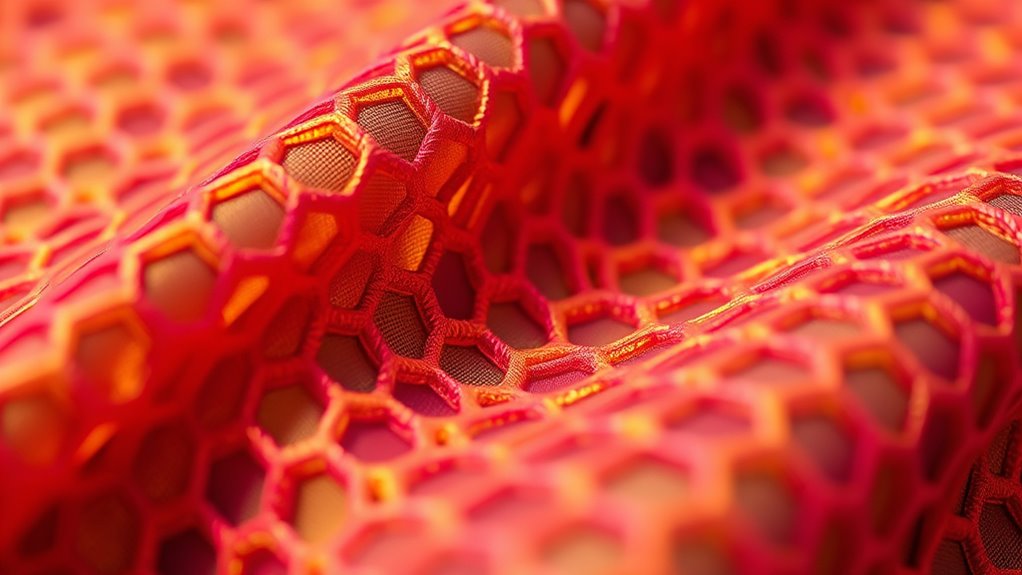
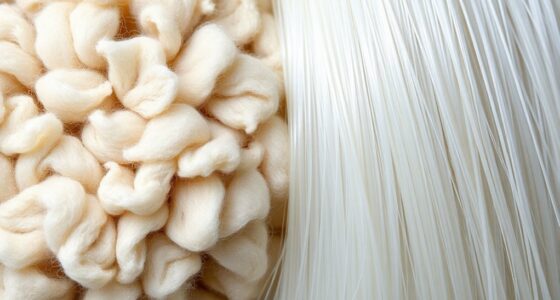
Auxetic textiles are innovative materials that expand laterally when stretched, unlike conventional fabrics that become narrower. This unique behavior results from their underlying molecular and structural design, making them highly adaptable for various applications. To achieve this, understanding fiber properties becomes essential. The fibers used in auxetic textiles often possess specific characteristics, such as high elasticity and resilience, allowing them to deform reversibly under tension. These fibers are typically engineered to have a particular arrangement or internal structure that allows the material to exhibit auxetic behavior. For instance, some fibers are manufactured with specialized cross-sections, like re-entrant or bowtie shapes, which enable the fabric to widen when stretched. Their ability to recover shape after deformation is vital for maintaining durability and performance, especially in high-stress environments. Additionally, selecting fibers with appropriate elastic properties is crucial to ensure the fabric’s effective auxetic response and longevity.
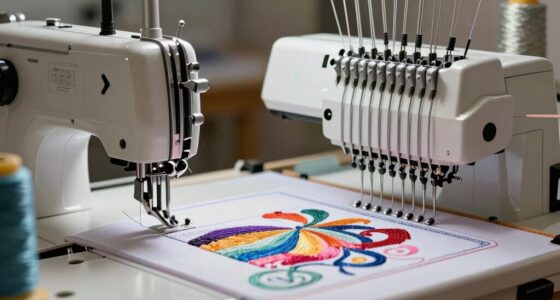
Manufacturing techniques play a pivotal role in creating auxetic textiles. Unlike traditional fabrics, which are woven or knitted in straightforward patterns, auxetic textiles often require advanced methods to incorporate their unique properties. Techniques such as 3D weaving, laser cutting, or controlled microstructuring are used to produce fabrics with the desired auxetic response. For example, some methods involve creating specific patterns of cuts or folds within the fabric that act like hinges, allowing the material to expand laterally when pulled. These manufacturing processes enable precise control over fiber orientation and the fabric’s internal architecture, which are essential for the auxetic effect. Furthermore, combining different fiber types or integrating smart materials can enhance the fabric’s overall behavior, making it suitable for specialized uses like protective gear, medical textiles, or flexible electronics.
auxetic fabric protective gear
As an affiliate, we earn on qualifying purchases.
As an affiliate, we earn on qualifying purchases.
Frequently Asked Questions
How Durable Are Auxetic Textiles in Everyday Wear?
You’ll find auxetic textiles quite durable for everyday wear, thanks to their fiber longevity and abrasion resistance. They hold up well under regular stretching and friction, maintaining their unique properties over time. While no material is completely invincible, auxetic fabrics are designed to withstand frequent use, making them a reliable choice for active lifestyles. Just guarantee proper care to maximize their lifespan and keep them performing at their best.
Can Auxetic Fabrics Be Recycled or Reused?
You can recycle auxetic fabrics and explore reuse potential, but recycling challenges often exist due to complex material blends and specialized fibers. To maximize their sustainability, you need to contemplate how these textiles can be repurposed or reprocessed. Reusing auxetic textiles helps extend their life, reduces waste, and promotes eco-friendly practices. Embracing reuse and overcoming recycling challenges ensures these innovative materials contribute positively to a circular economy.
Are There Health Risks Associated With Auxetic Textiles?
You might wonder if auxetic textiles pose health risks, and generally, they don’t. However, some health concerns exist, like allergic reactions to certain fibers or chemicals used in manufacturing. If you have sensitive skin or allergies, it’s wise to check the material composition and test for reactions before extended wear. Manufacturers are increasingly using hypoallergenic materials, making auxetic textiles safer for everyday use.
What Are the Cost Implications of Producing Auxetic Textiles?
You’ll find that producing auxetic textiles can be costlier due to specialized manufacturing costs, such as advanced machinery and unique material processing. These higher manufacturing costs may slow market adoption initially, as companies weigh the benefits against expenses. However, as production scales up and technology advances, costs could decrease, making auxetic textiles more accessible and appealing for broader applications in industries like healthcare and sportswear.
How Do Auxetic Textiles Perform in Extreme Weather Conditions?
You’ll find that auxetic textiles perform well in extreme weather, offering excellent thermal regulation by adapting to body movement and environmental changes. They also provide enhanced UV resistance, protecting you from harmful rays. This combination makes them suitable for outdoor gear and protective clothing, ensuring durability and comfort even in harsh conditions. Their unique properties help maintain stability and insulation, making them valuable for extreme weather performance.

Elastane in Sports and Medical Textiles
As an affiliate, we earn on qualifying purchases.
As an affiliate, we earn on qualifying purchases.
Conclusion
So, next time you stretch your favorite shirt, remember—it’s not just a fabric, but a marvel that gets thicker when pulled. Who would’ve thought that something so simple could defy expectations and turn the idea of “stretch” upside down? It’s almost funny how these auxetic textiles challenge our instincts. Clearly, in the world of fabrics, getting bigger when stretched is the new small. Irony never looked so fashionable.

YiJieWZT B7000 15ml Clear Acrylic Super Glue, Gel, Waterproof, Flexible, Anti-Vibration, for Electronics, Textile, Shoe, Household
★B7000 rhinestone glue: multifunctional transparent glue can isolate the flow of liquid, gas and air, transparent, waterproof and…
As an affiliate, we earn on qualifying purchases.
As an affiliate, we earn on qualifying purchases.
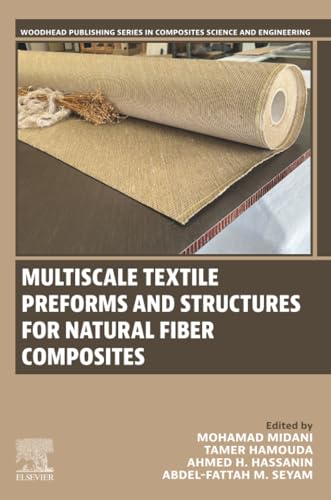
Multiscale Textile Preforms and Structures for Natural Fiber Composites (Woodhead Publishing Series in Composites Science and Engineering)
As an affiliate, we earn on qualifying purchases.
As an affiliate, we earn on qualifying purchases.