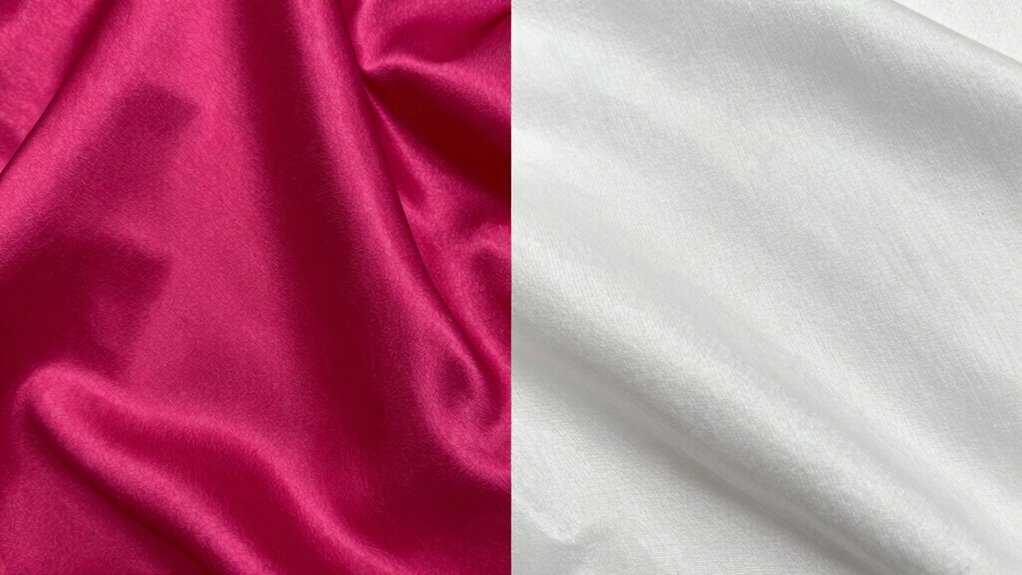

When comparing plastisol and water-based inks, you’ll notice a distinct difference in print feel. Plastisol inks provide a thicker, raised texture that’s perfect for bold designs and vibrant colors. On the other hand, water-based inks offer a softer, more breathable feel, making prints more comfortable against the skin. Your choice affects not just appearance but also durability and eco-friendliness. Explore more about how each ink type can elevate your fabric designs and fit your specific needs.

Get your wardrobe favorites delivered free — and shop member deals
- Fast, free delivery on millions of items
- Access to Prime Big Deal Days deals on October 6–7
- Prime Video, Amazon Music and more included
Key Takeaways
- Plastisol inks create a thicker, raised texture, providing a bold feel suitable for striking designs on dark fabrics.
- Water-based inks offer a softer, more natural touch, enhancing comfort and breathability on lighter fabrics.
- The opacity of plastisol inks results in vibrant colors, while water-based inks have a semi-transparent appearance that suits lighter designs.
- Plastisol inks are more durable, maintaining color vibrancy through multiple washes, unlike water-based inks that may fade more quickly.
- The choice between ink types significantly affects the tactile experience, influencing the overall feel and visual impact of the printed fabric.
As an affiliate, we earn on qualifying purchases.
Understanding Plastisol and Water-Based Inks
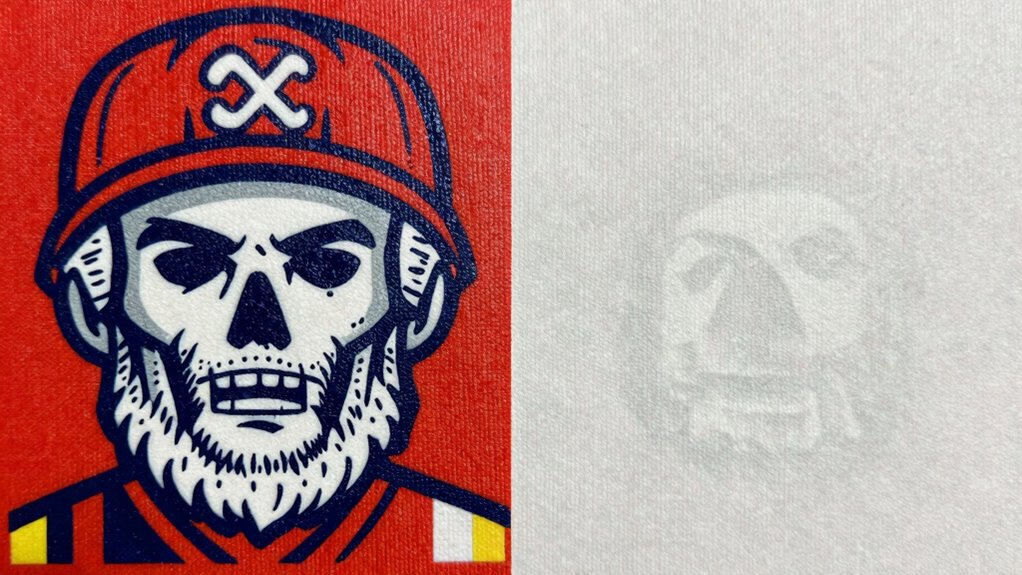
When you explore screen printing, understanding the differences between plastisol and water-based inks is essential. Plastisol inks are made from PVC particles suspended in a liquid plasticizer, creating a thick, opaque finish. They’re great for various print applications, especially on dark fabrics, as they sit on top of the material, providing vibrant colors. On the other hand, water-based inks use pigments suspended in water, resulting in a softer feel and better breathability. They’re ideal for lighter fabrics and eco-conscious projects, as they’re less harmful to the environment. Knowing the ink composition helps you choose the right type for your project, ensuring your prints meet your desired quality and feel. Additionally, understanding filtration/suction basics is crucial for maintaining a clean printing environment, which can impact the quality of your prints. Understanding these nuances is key to successful screen printing, as color accuracy plays a vital role in achieving stunning prints.
Which Ink Type Offers Better Color Vibrancy?
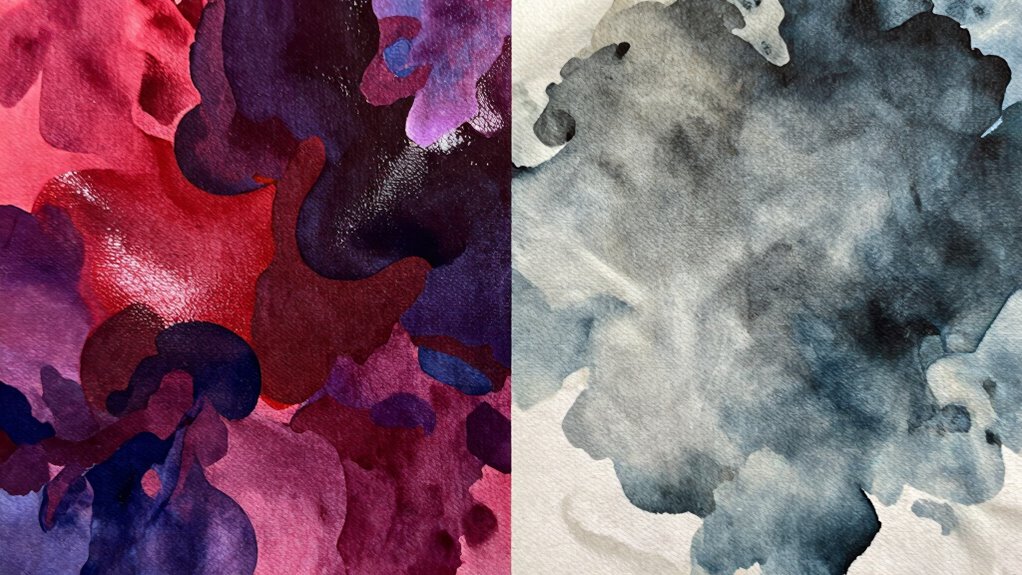
How do plastisol and water-based inks compare regarding color vibrancy? When it comes to color saturation and ink opacity, both types have their strengths. Plastisol inks are known for their rich, vibrant colors and high opacity, making them perfect for bold designs. On the other hand, water-based inks offer a softer, more muted appearance, which can be appealing for certain styles.
| Ink Type | Color Saturation | Ink Opacity |
|---|---|---|
| Plastisol | High | Opaque |
| Water-Based | Moderate | Semi-Transparent |
| Application | Versatile | Eco-Friendly |
| Drying Time | Longer | Faster |
| Texture | Thick | Soft |
Ultimately, your choice depends on the look you want to achieve.
How Do Durability and Longevity Compare?

While both plastisol and water-based inks have their unique advantages, durability and longevity can considerably influence your choice. When it comes to ink performance, each type has distinct characteristics that affect print lifespan.
- Plastisol inks: Known for their resilience, they withstand multiple washes without fading.
- Water-based inks: While they offer a softer feel, they may not hold up as well over time, especially if not cured properly.
Ultimately, if you prioritize longevity and durability, plastisol may be your best bet. However, if you value a softer print feel and are willing to compromise on longevity, water-based inks could be a suitable option. Your choice will depend on the specific needs of your project.
Pros and Cons of Plastisol Inks
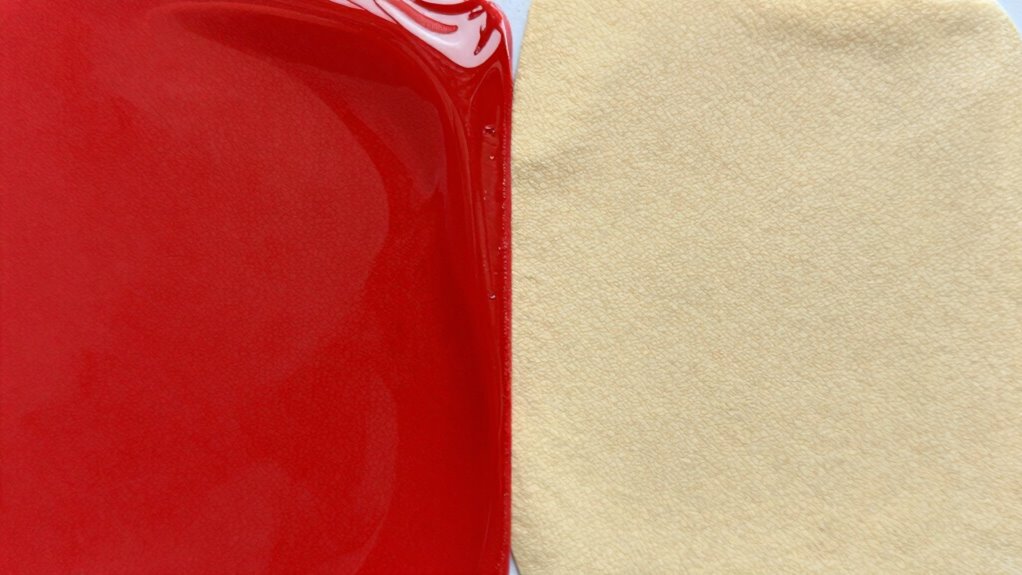
Although plastisol inks have several advantages, they also come with some drawbacks that you should consider. One major pro is their durability; they hold up well against wear and washing. Their vibrant colors and opacity make them a popular choice for many designs. However, the cost comparison can be a factor; plastisol inks tend to be pricier than water-based alternatives. Additionally, while application techniques for plastisol are straightforward, they require heat curing, which can complicate the printing process. This extra step can slow down production and may not suit all setups. So, while plastisol inks offer excellent results, weigh these pros and cons carefully to decide what’s best for your printing needs.
What to Love and Hate About Water-Based Inks
When it comes to water-based inks, you’ll find a mix of love and frustration. On one hand, their eco-friendly advantages are hard to ignore, but print durability can be a real concern. Plus, the feel and texture can differ markedly from what you might be used to with plastisol inks.
Eco-Friendly Advantages
Sure! Here’s the revised content with the requested changes:
—
Water-based inks offer significant eco-friendly advantages, making them a popular choice among environmentally conscious printers. By choosing these inks, you contribute to reduced environmental impact and enjoy notable sustainability benefits. Here’s what you’ll love about water-based inks:
- Lower VOC Emissions: They emit fewer volatile organic compounds, promoting better air quality. This contributes directly to improving indoor air quality, which is essential for healthier living environments. Additionally, using eco labels can help consumers identify environmentally friendly products. Furthermore, the use of renewable energy sources in production can further enhance their sustainability profile.
- Biodegradability: Unlike plastisol inks, water-based options break down more easily, minimizing landfill waste and aligning with recycled materials in gardening principles.
- Safer for Workers: The absence of harsh chemicals means a healthier workplace for you and your team.
Additionally, adopting sustainable practices like using water-based inks can (influence future tax incentives) aimed at environmentally friendly businesses. While water-based inks have their drawbacks, their eco-friendly advantages make them a compelling option for those prioritizing sustainability in their printing practices. You can feel good about your choice while achieving quality results.
—
Let me know if you need any further modifications!
Print Durability Concerns
While you’ll appreciate the eco-friendly benefits of water-based inks, print durability can raise some concerns. One of the main issues is ink adhesion; water-based inks can sometimes struggle to bond effectively with certain fabrics. This can lead to fading or peeling over time, especially with frequent washes. You might find that the wash resistance of these inks isn’t as robust as that of plastisol inks, meaning your vibrant prints may lose their luster quicker than you’d like. However, if you’re careful about the fabrics you choose and follow proper washing instructions, you can still achieve decent durability. Additionally, maintaining indoor air quality in your workspace can enhance creativity, potentially influencing your design process. Regular maintenance of HEPA filters can also contribute to a healthier printing environment. Moreover, understanding the role of air systems can help improve overall print quality. Incorporating smart controls in your workspace can also optimize environmental conditions, further supporting vibrant printing results. Balancing eco-friendliness with durability is essential, so weigh your options based on your printing needs.
Feel and Texture Differences
One key aspect to evaluate is the feel and texture of water-based inks, which often stand out compared to plastisol options. When you reflect on the softness comparison, you’ll notice that water-based inks provide a unique tactile experience that many find appealing. However, there are pros and cons to ponder:
- Softness: Water-based inks feel lighter and softer against the skin.
- Breathability: They allow fabrics to breathe better, making them comfortable to wear.
- Durability: While they offer a pleasant feel, they may not hold up as well over time.
Loving the softness is easy, but the trade-off in durability can be frustrating. Ultimately, it depends on what you value most in your prints.
Choosing the Right Ink for Different Fabric Types
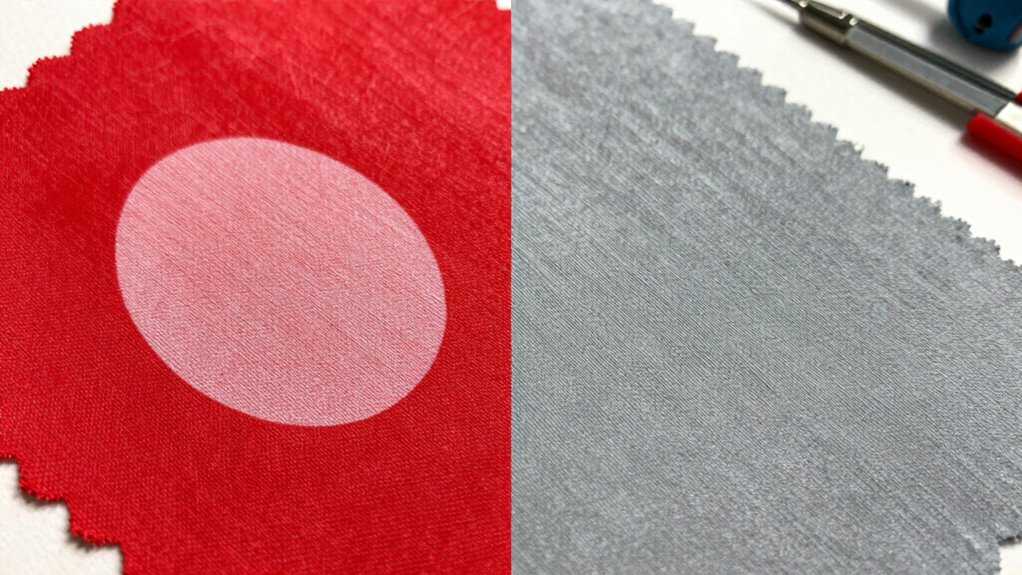
When choosing ink, fabric composition is essential, as different materials interact uniquely with inks. You’ll also want to take into account the texture and feel of the fabric, which can influence the final look and comfort of your print. Finally, think about ink durability, especially if the fabric will face wear and tear.
Fabric Composition Matters
Choosing the right ink for your fabric isn’t just a matter of preference; it’s essential for achieving ideal results. Different fabric types demand specific ink compatibility to guarantee vibrant color saturation and durability. Understanding the nuances of fabric blends can help you choose the best printing techniques and application methods.
- Cotton: Works well with both plastisol and water-based inks, offering great color saturation. Additionally, using high-quality inks can enhance the overall feel and longevity of the print. The choice between inks can significantly affect user engagement and the tactile experience of the final product. Regular maintenance of energy-efficient appliances can also prolong their lifespan, similar to how proper ink selection extends the quality of prints. Furthermore, ensuring a balanced diet for your pets can lead to better overall health, much like selecting the right ink can enhance fabric quality.
- Polyester: Requires specialized inks due to its smooth surface; consider sublimation for best results.
- Blends: When using fabric blends, make sure the ink aligns with your feel preferences and washing effects. Additionally, consider the nutrient retention of your inks, as it can impact the overall quality of your printed items. Understanding the power requirements for different materials can also ensure optimal printing conditions.
Texture and Feel
Texture plays an essential role in how your printed fabric feels and performs. When choosing between plastisol and water-based inks, consider your texture preferences. Plastisol inks create a thicker, raised feel, which can be great for bold designs on heavy fabrics. In contrast, water-based inks offer a softer, more natural touch that blends into the fabric, making it ideal for lighter materials. Additionally, the right ink choice can enhance your kitchen appliances & gadgets by ensuring your printed apparel is both functional and comfortable during meal prep. Proper care after printing, such as water damage prevention, can also extend the life of your fabric.
Moreover, selecting the right ink type can elevate your outdoor-kitchen essentials by adding a vibrant touch to your cooking attire. In your texture comparison, think about the end use of the fabric. If comfort and breathability are priorities, water-based inks might be your best bet. However, if durability and vibrancy are vital, plastisol could be the way to go. Ultimately, understanding your feel preferences will guide your decision, ensuring your printed fabrics meet your expectations. Additionally, choosing the right ink can significantly impact your smart choices for how you enjoy your time in printed apparel. For example, selecting the right ink type can enhance your training concepts by ensuring your gear feels right during workouts.
Ink Durability Considerations
The feel of your printed fabric isn’t just about comfort; it also affects how well the ink stands up to wear and tear. When choosing the right ink for different fabric types, consider these key factors:
- Ink Adhesion: Guarantee good bonding between the ink and fabric for longer-lasting prints. Additionally, proper kitchen gear care can help you understand the importance of maintaining tools that support your printing process. Moreover, selecting inks with superior durability ensures that your designs remain intact over time.
- Wash Resistance: Opt for inks that maintain color vibrancy and integrity after multiple washes.
- Fabric Type: Different fabrics require specific inks; for example, water-based inks work well on cotton, while plastisol is better for synthetic blends. Additionally, understanding data storage solutions can help ensure your designs and prints are safely backed up for future use.
How Print Feel Affects Your Choice of Ink
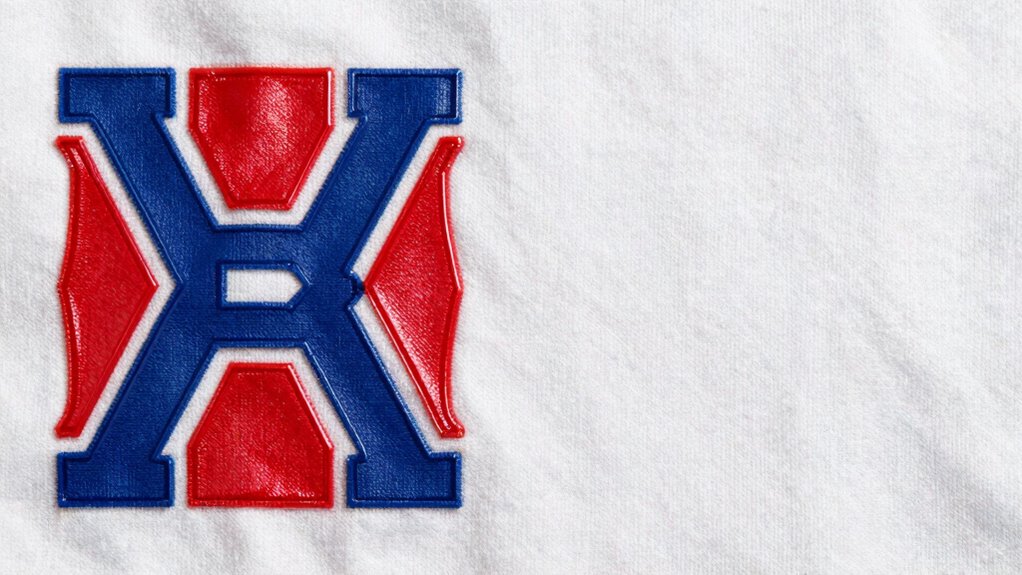
While you might focus on color vibrancy and durability when selecting ink, the feel of the print can greatly influence your decision. Print softness is essential, especially if you want a comfortable wear. Different ink application techniques can affect this softness, making your choice between plastisol and water-based ink significant.
Here’s a quick print softness comparison:
| Ink Type | Feel | Application Technique |
|---|---|---|
| Plastisol | Thick, rubbery feel | Screen printing |
| Water-Based | Soft, breathable | Direct-to-garment |
| Hybrid | Balanced softness | Mixed techniques |
| Discharge | Smooth, vintage feel | Discharge printing |
| Eco-Friendly | Soft, sustainable | Water-based techniques |
Choosing the right ink isn’t just about looks; it’s about the overall experience.
Making the Right Choice: Plastisol or Water-Based Ink?

When deciding between plastisol and water-based ink, which factors matter most to you? Each option has its strengths, so consider these key points:
- Print performance: Plastisol offers vibrant colors and durability, while water-based ink provides a softer feel and breathability.
- Environmental impact: Water-based inks are generally more eco-friendly, aligning with current market trends towards sustainability.
- Cost comparison: Plastisol often has lower initial costs, but water-based inks may save you money in the long run due to faster production speed and reduced cleanup time.
Think about your brand preferences and how color mixing might influence your final products. Weigh these factors carefully to make an informed choice that best fits your needs.
Frequently Asked Questions
Can I Mix Plastisol and Water-Based Inks Together?
You can’t effectively mix plastisol and water-based inks together. Their ink compatibility is limited due to different bases and curing processes. If you want to experiment, consider using a mixing technique like layering or overprinting, but be cautious; the results may not be reliable. It’s best to stick to one type of ink for consistency in your prints. So, choose wisely to achieve the desired finish in your projects!
How Do Drying Times Differ Between the Two Ink Types?
When it comes to drying times, you’ll find that it’s a whole different ballgame. Plastisol inks require heat for curing, often needing a flash dryer or conveyor dryer, taking several minutes. On the flip side, water-based inks dry faster, relying on air drying or heat, typically within minutes. So, if you’re looking to speed things up, water-based inks might be your best bet, but each has its unique drying techniques and curing processes.
Are There Eco-Friendly Options for Both Ink Types?
Yes, there are eco-friendly options for both ink types. Water-based inks generally offer more sustainable practices, as they use fewer harmful chemicals and are easier to clean up. You’ll find brands that focus on eco-friendly benefits, ensuring their products meet environmental standards. For plastisol inks, look for those labeled as phthalate-free, which provide a safer alternative while still delivering quality results. Choosing these options supports a greener printing process.
What Equipment Is Needed for Each Ink Type?
To print with plastisol ink, you’ll need a screen printing press, squeegees, and a flash dryer for curing. Water-based inks require similar equipment but focus on ink viscosity and application techniques that allow for a smoother finish. You’ll also need a heat source for curing. Choosing the right setup can make all the difference in your print quality, so think carefully about what you want to achieve before diving in!
Can I Screen Print With Both Ink Types?
Yes, you can screen print with both ink types! Each has unique ink performance characteristics that affect your application techniques. Plastisol inks provide a thicker layer and vibrant colors, while water-based inks offer a softer feel and are more eco-friendly. Depending on your project, you might choose one over the other. Just make sure to adjust your screen mesh and squeegee pressure for best results with either ink type.
Conclusion
In the end, picking between plastisol and water-based ink really depends on your priorities. Sure, some might argue plastisol offers better durability, but water-based inks give you that soft, breathable feel many wearers love. If you’re aiming for vibrant prints and a comfy touch, water-based might be your best bet. Don’t let fear of fading hold you back—modern formulations have come a long way, ensuring you can have both beauty and comfort in your designs.
Fall Picks
fall essentials
As an affiliate, we earn on qualifying purchases.