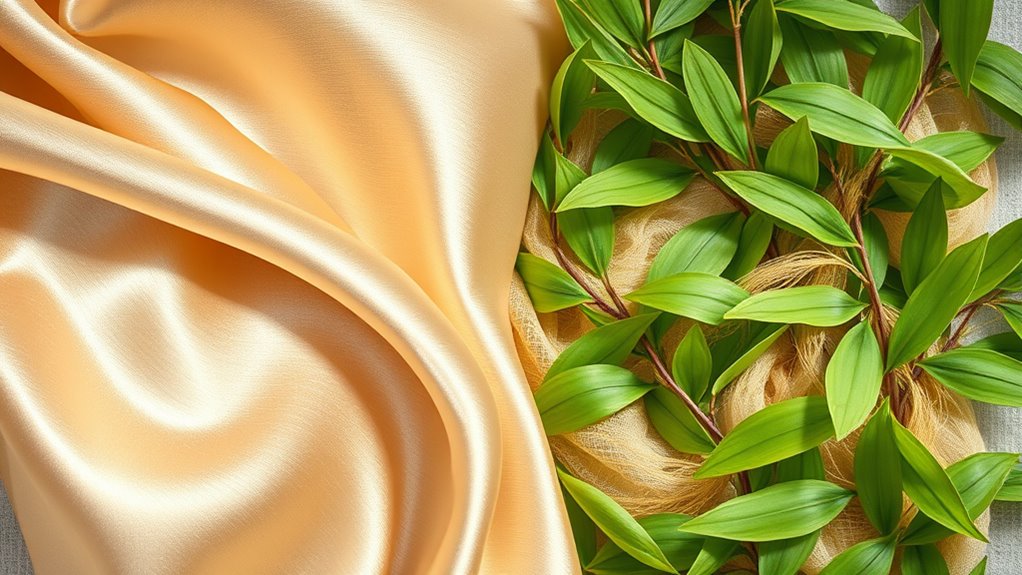

Vegan silk alternatives like lab-grown and plant-based fibers provide a sustainable, ethical choice for eco-conscious shoppers. They mimic the softness and luxury of traditional silk without harming animals or damaging the environment. These fabrics come from renewable resources such as bamboo, eucalyptus, or lab-produced proteins, which require less water and pesticides. By choosing these options, you support responsible sourcing and ethical manufacturing practices. To discover how these innovative fabrics are reshaping the industry, stay tuned for more details.
Key Takeaways
- Vegan silk alternatives include lab-grown proteins and plant-based fibers sourced from sustainable crops like bamboo and soy.
- Lab-made silk is produced through controlled environments that grow proteins, eliminating animal harm and enhancing fabric quality.
- Plant-based silks are biodegradable, renewable, and cultivated with minimal chemicals, reducing environmental impact.
- These alternatives prioritize ethical manufacturing practices, ensuring fair wages, safe conditions, and transparency.
- Using vegan silk helps reduce carbon footprints and supports sustainable, socially responsible industry practices.
As awareness of ethical and environmental issues grows, many people are turning to vegan silk alternatives to replace traditional silk. You might be drawn to these options because they align better with your values, offering a way to enjoy luxurious fabrics without supporting harmful practices. Vegan silk alternatives are often created with sustainability in mind, emphasizing sustainable sourcing and ethical manufacturing processes. Instead of relying on silkworms or other animal products, these materials are made from plant fibers, lab-grown proteins, or other innovative sources that reduce environmental impact.
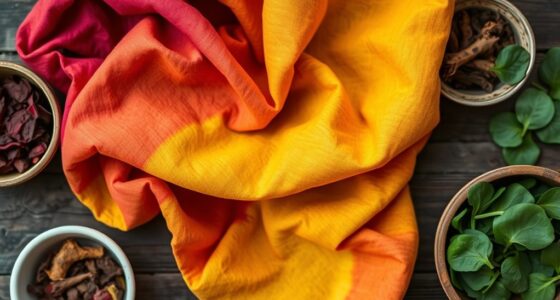
When you choose vegan silk alternatives, you’re supporting sustainable sourcing practices. These materials are derived from renewable resources like bamboo, eucalyptus, or soy, which grow quickly and require fewer pesticides and water compared to traditional silk production. This approach minimizes ecological damage and helps conserve natural resources. Additionally, many producers prioritize ethical manufacturing—ensuring workers are paid fairly, work in safe conditions, and avoid exploitative labor practices. This transparent and responsible approach makes vegan silk not just eco-friendly but also socially conscious.
Lab-made silk, for instance, involves growing proteins in controlled environments, mimicking the natural process but without harming animals. This technology allows for precise control over the quality and properties of the fabric, resulting in a product that’s comparable or even superior to traditional silk. You benefit from a material that’s soft, durable, and luxurious, all while reducing the carbon footprint associated with conventional silk farming and processing.
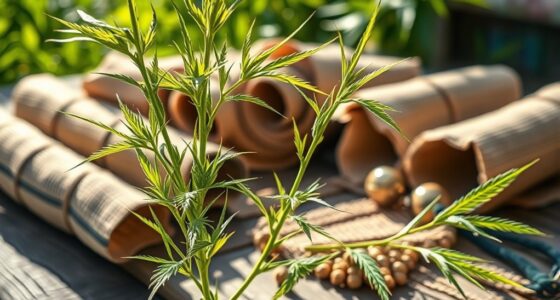
Plant-based silk alternatives, on the other hand, often involve extracting fibers from sustainable crops and weaving them into fabrics that resemble silk’s luster and texture. These fibers are biodegradable, renewable, and cultivated with minimal chemical inputs, making them a more environmentally responsible choice. Furthermore, because these materials are produced with sustainable sourcing in mind, they help you lessen your overall environmental impact and support a supply chain that values conservation and ethical practices.
Choosing vegan silk alternatives means you’re making a conscious decision to prioritize sustainability and ethics in your wardrobe. You’re supporting companies that focus on ethical manufacturing standards and sustainable sourcing, which benefits both the planet and the people involved in production. As these options continue to evolve, they offer a compelling alternative for those who want luxurious, beautiful fabrics without compromising their values. Your choice can help drive positive change, encouraging the fashion industry to adopt more responsible and eco-friendly practices for generations to come.
Frequently Asked Questions
How Do Vegan Silk Alternatives Compare in Durability to Traditional Silk?
Vegan silk alternatives generally have comparable fiber strength to traditional silk, but their elasticity properties can vary. Lab-made options often mimic silk’s durability closely, offering good resilience and stretch. Plant-based silks might be slightly less elastic but still provide sufficient strength for most uses. Overall, modern vegan silks are designed to be durable and flexible, making them a strong, ethical choice without sacrificing quality.
Are Lab-Made Silk Options Environmentally Sustainable?
Lab-made silk options are generally more environmentally sustainable because they address biodegradability concerns and sourcing transparency. You won’t have to worry about harmful chemicals or intensive farming, as these lab-produced silks use fewer resources and generate less waste. Plus, their controlled production processes ensure greater transparency about their environmental impact, helping you make eco-friendly choices without sacrificing quality or performance.
What Are the Cost Differences Between Vegan Silk and Genuine Silk?
You’ll find that vegan silk alternatives generally have a different price comparison compared to genuine silk. Lab-made and plant-based silk often cost less due to lower production costs and fewer resource demands, but high-quality genuine silk can be more expensive because of the labor-intensive harvesting process. Price differences vary depending on quality and brand, so it’s worth comparing options to find a solution that fits your budget and values.
Can Vegan Silk Alternatives Be Used in All Silk Applications?
You can’t paint all silk applications with the same brush, but vegan silk alternatives do cover a lot of ground. They offer impressive synthetic fiber versatility, making them suitable for fashion, upholstery, and even delicate accessories. Plus, vegan silk color options are abundant, allowing for vibrant designs. While they may not match the exact feel of genuine silk in every case, they’re a smart choice for most uses, proving that variety is the spice of life.
How Do Vegan Silk Options Feel Against the Skin?
Vegan silk options generally feel soft and smooth against your skin, offering good sensory comfort. They tend to be lightweight and breathable, making them comfortable for everyday wear. If you have skin sensitivity, you’ll appreciate that many vegan silks are hypoallergenic and free from irritants found in traditional silk. Overall, these alternatives provide a gentle, luxurious feel, though individual experiences may vary based on the specific material used.
Conclusion
So, next time you think about silk, remember there’s a world of vegan options that could outshine traditional silk in every way. Lab-made and plant-based silks are not just alternatives—they’re revolutionizing fashion and saving the planet at the same time. By choosing these, you’re not just making a statement; you’re potentially ending centuries of animal suffering and climate harm. It’s almost too good to be true—except it’s real, and it’s happening right now.